
News
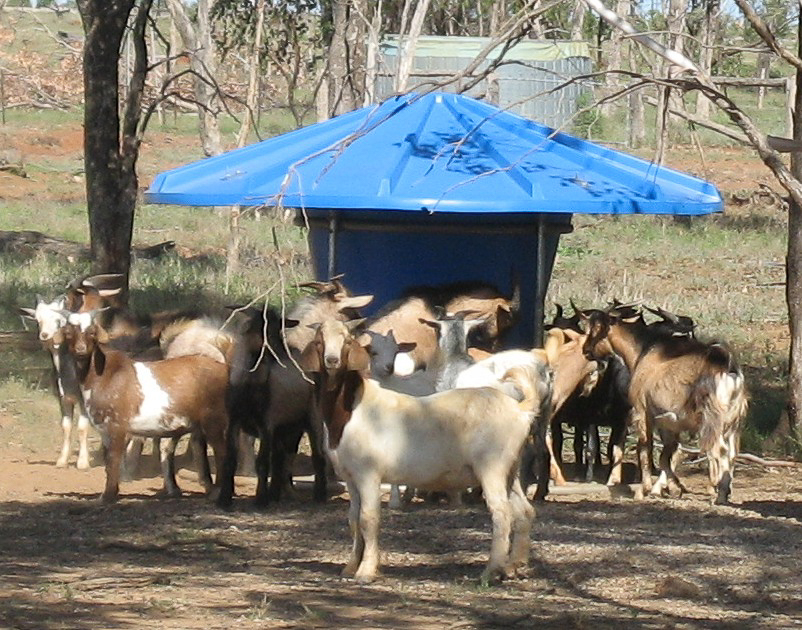
No Kidding – You Should Give Goats A Go!
The Australian goatmeat industry in 2020 was worth over $145M, and 95% of that goatmeat was exported. Australia remains the biggest player in the global goatmeat trade regardless of the fact it accounts for less than one per cent of global production, sitting well behind the goatmeat producing superpowers of China, India and Pakistan. The…
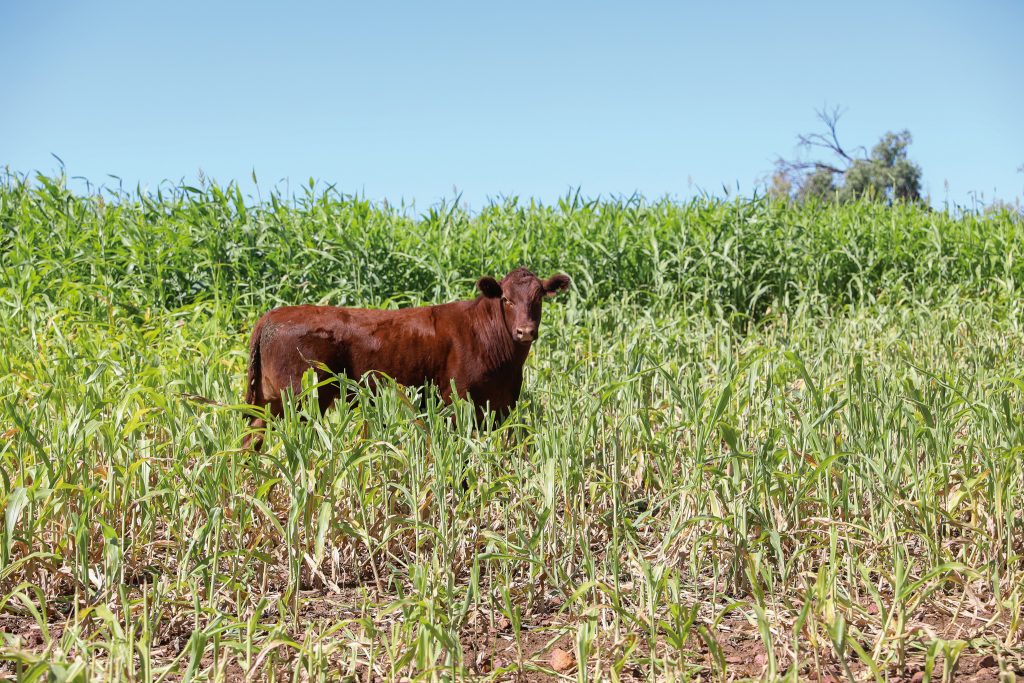
Prussic Acid and Sulphur Supplementation
As summer creeps closer and forage sorghum, silk sorghum or Sudan grasses are planted and growing, there is one major risk to animal health and production when using these plants for grazing. Prussic acid, also known as Hydrocyanic acid, is a potent, rapidly acting poison absorbed and transported through the bloodstream. It acts as an…
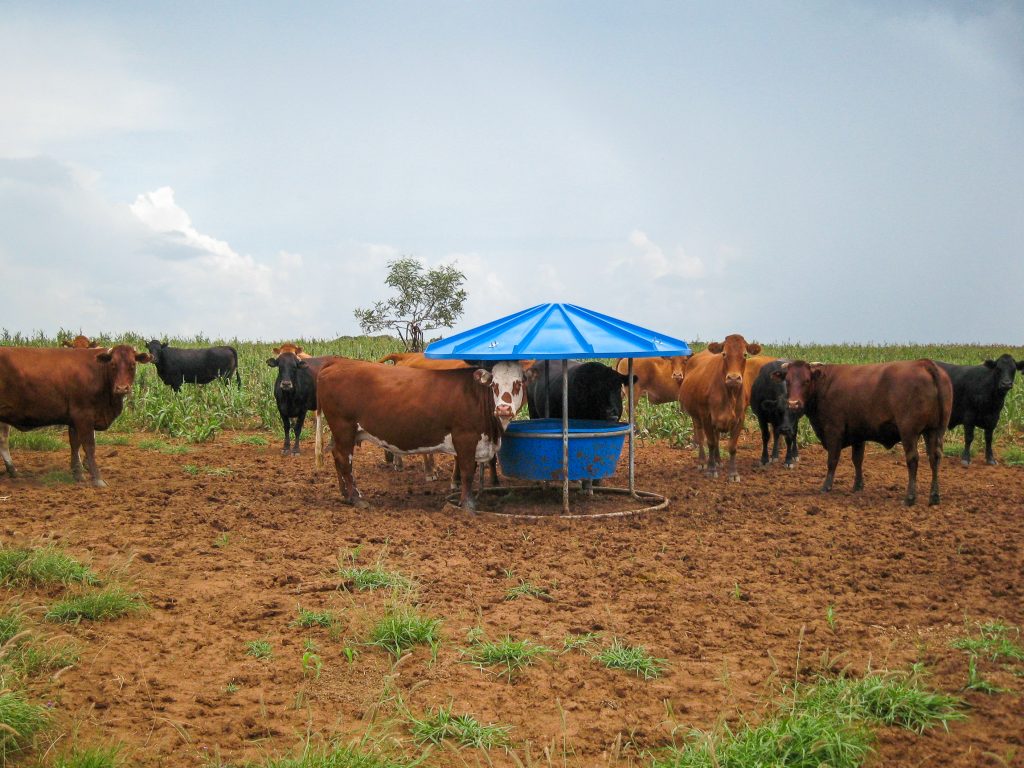
Phosphorus Supplementation in the Wet Season
In recent weeks we have seen a few good showers of rain around, and combined with warmer weather some green pick has been able to develop and hint at what are hopefully the first signs of the wet season creeping in. While some have not yet been as fortunate, booming cattle prices have made it…
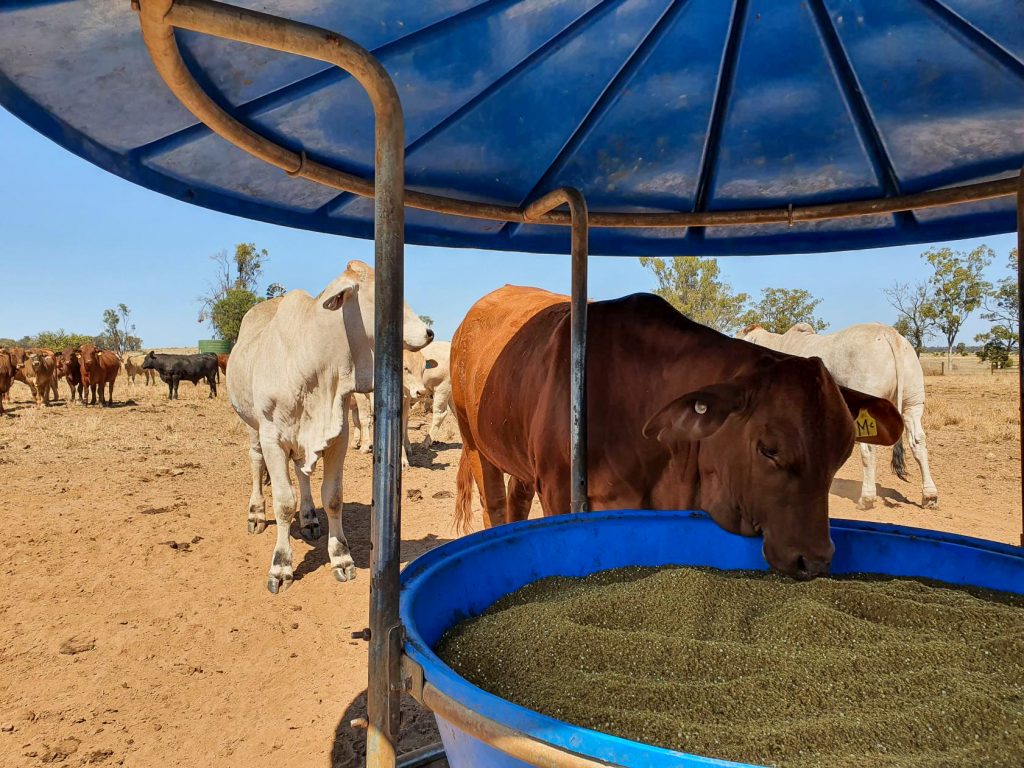
Protein Meals
Top Country chooses to use cottonseed meal as it is Australia’s highest quality bypass protein source. Whilst other bypass protein sources are available and comparatively less expensive, they are not of the same quality and do not have the same benefits as cottonseed meal. Additionally to high quality protein meals, Top Country also encourages low…
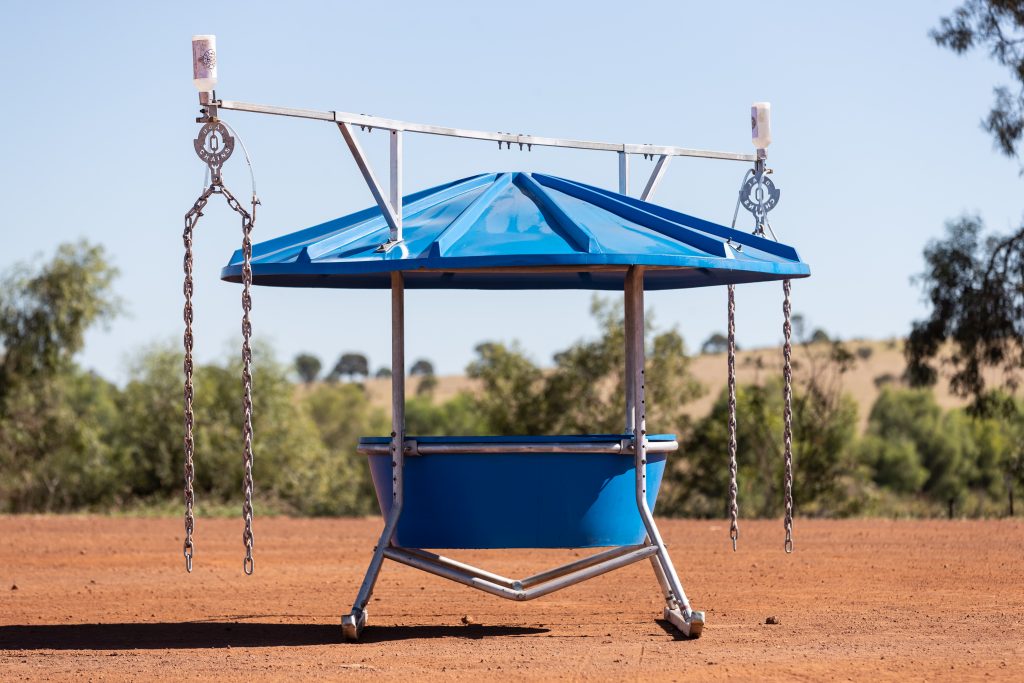
What do external parasites cost you in lost production?
External parasites such as flies, lice, mosquitoes and ticks have a marked effect on beef production. They counteract a substantial amount of the gain that is achieved in the wetter months when pastures are lush and ample. They cause irritation and discomfort resulting in reduced weight gain, milk and meat production. In part, this lost…
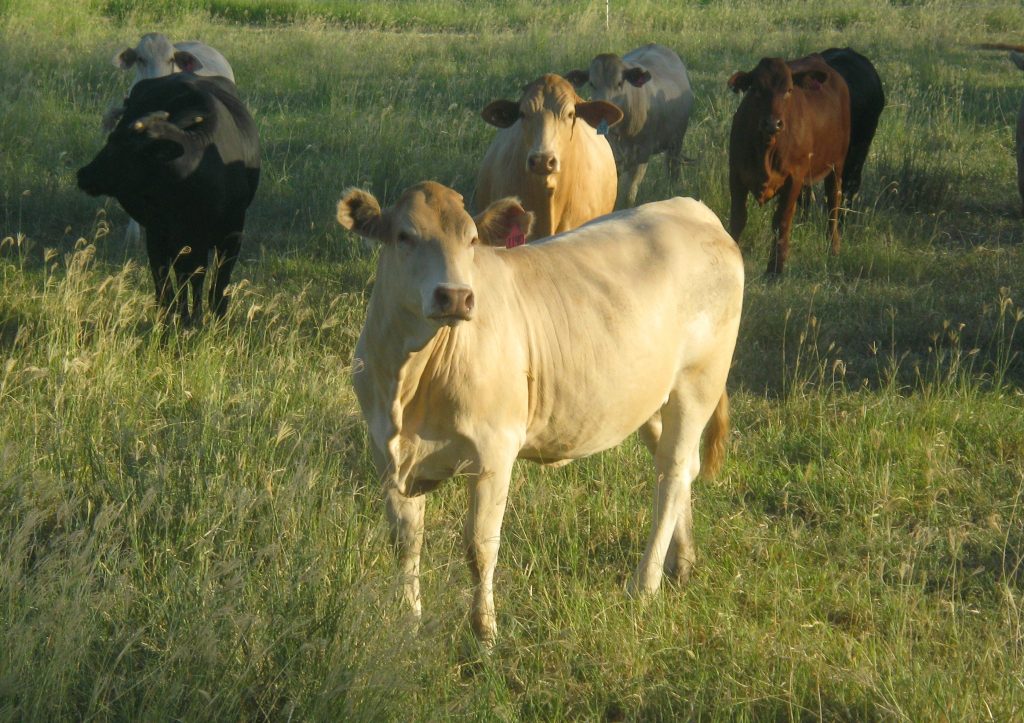
Managing Bloat in Spring
As we enter Spring after such a favourable end to Winter, we are seeing a lot of clovers and medics coming through. With these lush, immature legumes coming through, bloat can present itself as a major problem to productivity, especially when cattle are not used to these pastures. Pasture bloat, or frothy bloat, is associated…
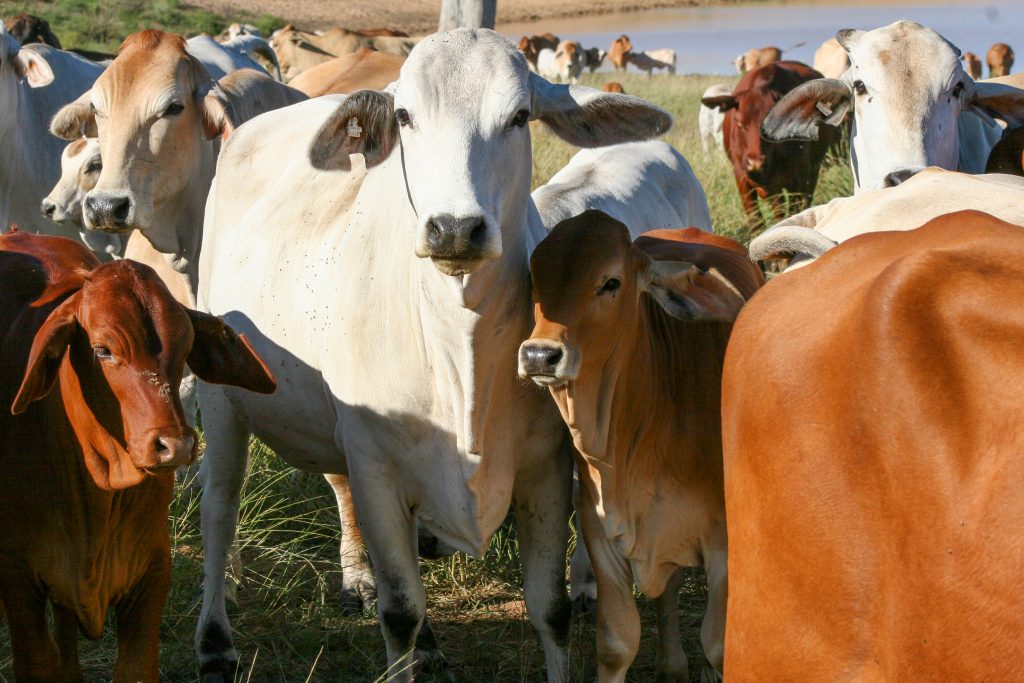
Spike feeding: A solution to achieving improved reproductive performance
Why spike feed? As a general rule, controlled joining occurs over the summer months so that the cows and ewes drop their offspring at the end of the dry season the following year. This is done so that the offspring’s highest milk requirement in its second or third month is matched to peak pasture quality.…
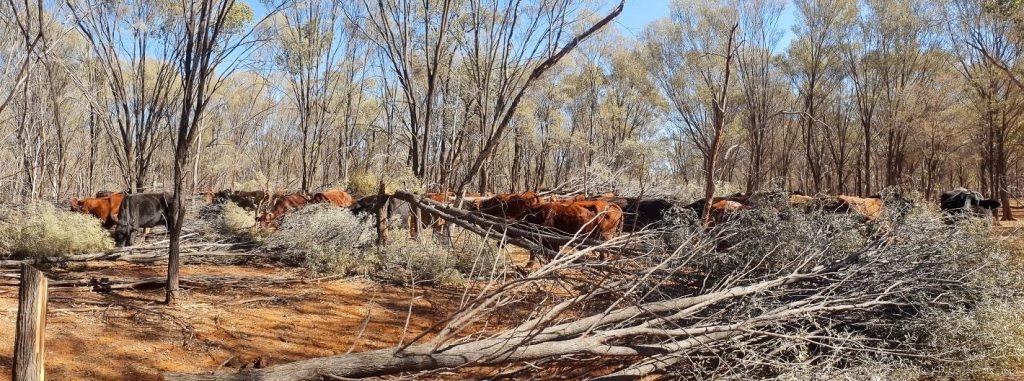
Supplementing on Mulga
Edible scrub is a precious resource that can be used as an alternative feed source for livestock. Many native trees and shrubs can provide enough energy to maintain most classes of stock when supplemented with a suitable protein source. Mulga (acacia aneura) is widely distributed throughout inland Australia, where it offers valuable fodder for both…
Mineral Supplementation on Winter Cereal Crops
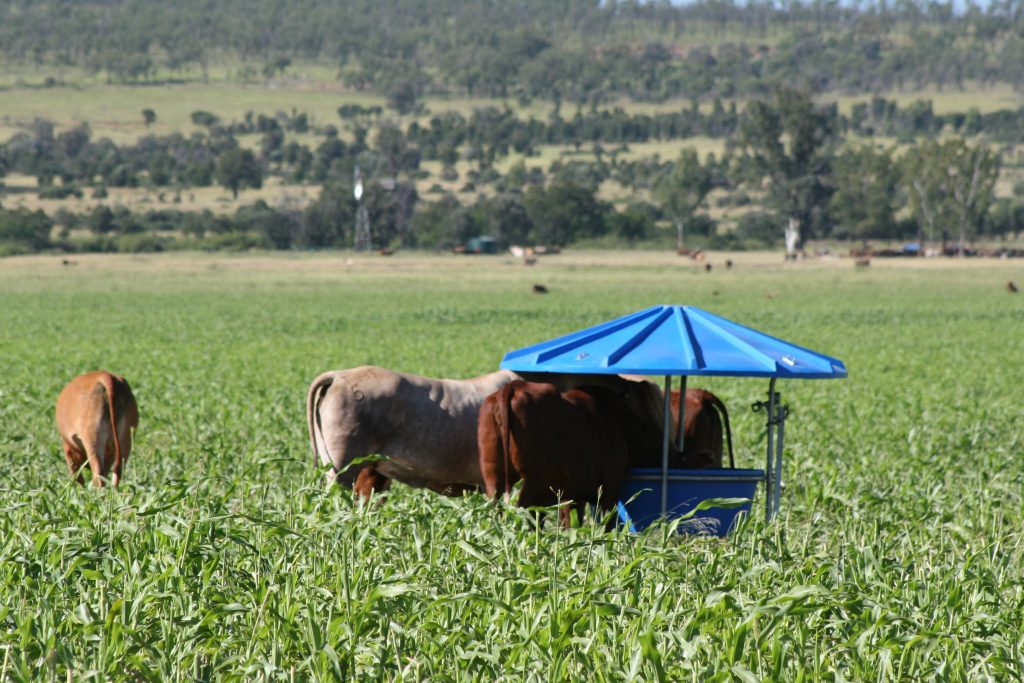
Grazing winter cereal crops, such as oats, is a popular option for graziers at this time of year. The crops are a highly palatable feed source, providing livestock with good quality feed to fill a feed gap often experienced at this time of year with tropical pasture species. Winter cereal crops can have an ME…
Principles of Pasture Growth
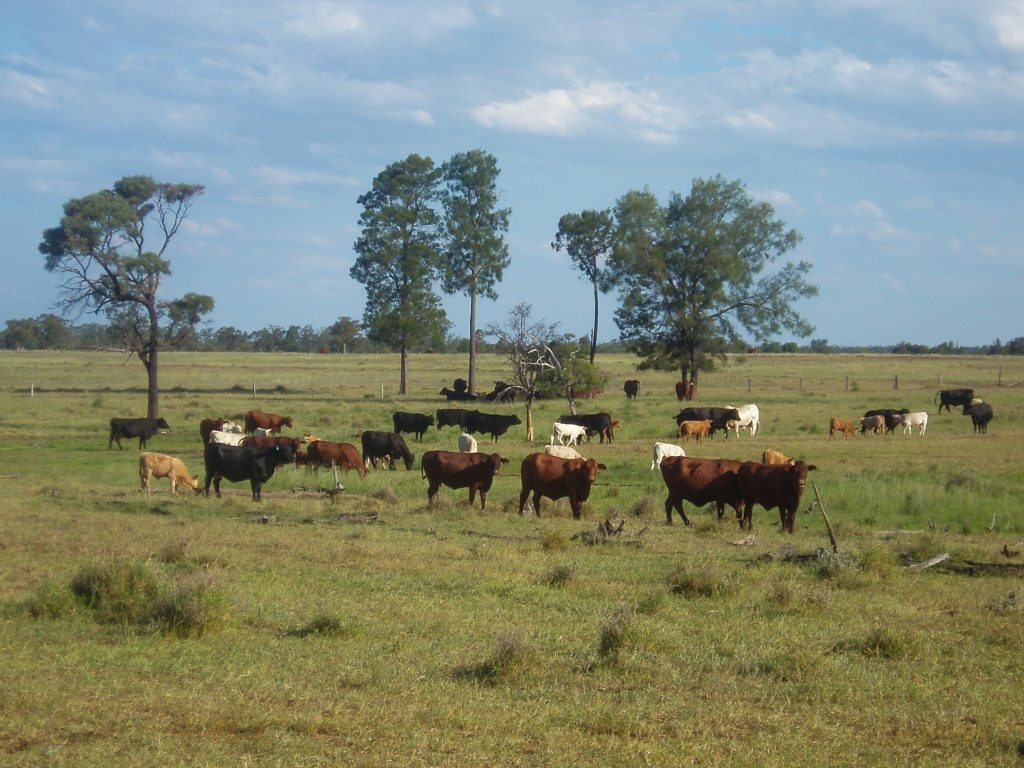
Pasture is the cheapest source of feed for any grazier. Grazing beef and sheep production can be simplified into a set of steps in a production chain. In very simple terms, grazing land grows forage, forage is eaten by stock and converted to beef or lamb. Three gateways regulate the efficiency of this system: land…