
Principles of Pasture Growth
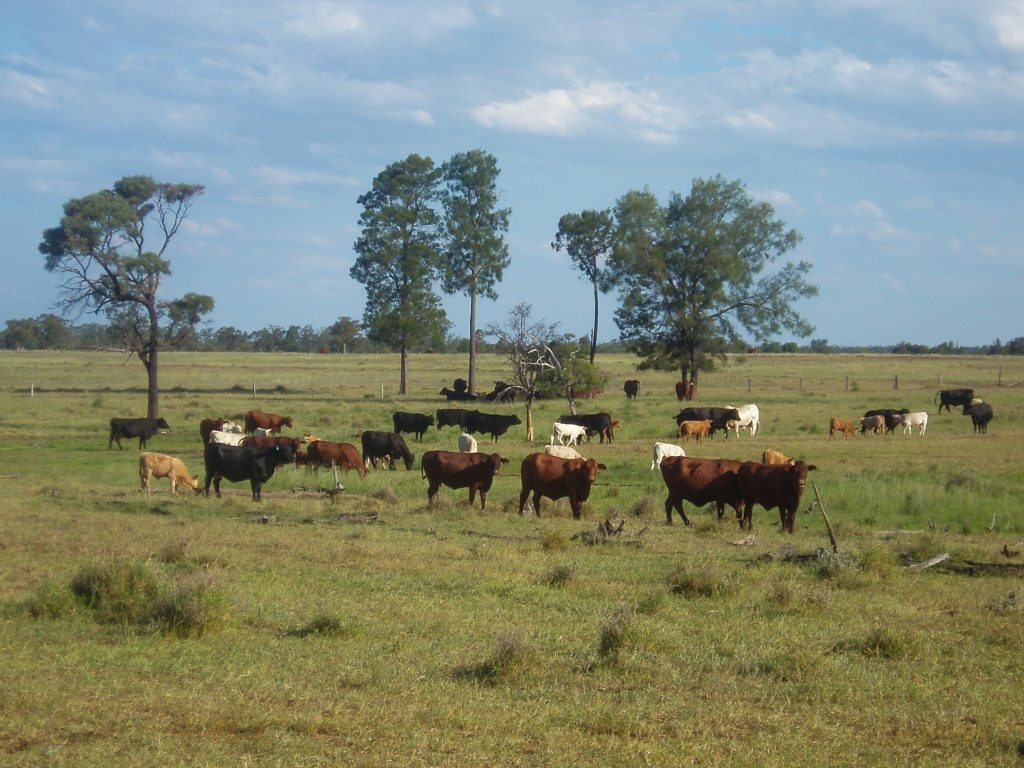
Pasture is the cheapest source of feed for any grazier. Grazing beef and sheep production can be simplified into a set of steps in a production chain. In very simple terms, grazing land grows forage, forage is eaten by stock and converted to beef or lamb. Three gateways regulate the efficiency of this system: land condition, land utilisation and conversion efficiency. Rainfall utilisation relates the land conditions and how rainfall event is utilised through reduced run off from land improvement exercises and correct pasture types for soils. Land utilisation relates closely to stocking rate and feed base, by optimising the level and evenness of grazing. Conversion efficiency can be optimised through the quality of feed available and increasing rumen efficiency.
Measures of Pasture Quantity and Quality
Quantity
Pasture quantity is measured by kilograms of dry matter per hectare (DM/ha). The dry matter of pasture will vary with stage of growth and species. Young green pastures can be as low as 20% dry matter (80% moisture), while mature grasses that have dried off can be 80-85% dry matter with very little water content.
Quality
Pasture quality is measures by the concentration of nutrients available to the animals from the pasture at a given point in time. The most important and limiting nutrient for the majority of enterprises throughout the year are p=energy and protein. This makes the three most important measures of pasture quality,
o Digestibility (%)
o Metabolisable energy (ME)
o Protein content (%)
These three measures are followed by any mineral deficiency. Phosphorous is the major mineral deficiency known in northern pastures. Forage oats or other cereals can have a magnesium deficiency and sulphur is an important mineral to supplement with when feeding forage sorghum.
Pasture Growth
Pasture growth is seasonal, and quality closely follows this seasonal pattern. The growth patterns of pasture plants are controlled by seasonal conditions and fluctuations in:
o Water availability
o Temperature
o Day length
As seasons progress to unfavourable conditions, pasture soon decrease in quantity and quality. For many species, flowering is closely followed by the rapid decline in quality. Frosting during winter also declines pasture further. In norther grazing systems where much of the pastures are summer dominant, flowering occurs close to autumn and frosts in winter, pasture quality can decline significantly in a short window of time. As pasture is the main feed source for livestock across Australia, poor pastures will result in poor nutrition can consequently effect growth rates of trade stock, weight maintenance of breeding stock and possible result in expensive supplementary feeding to regain lost weights.
Four Phases of Pasture Growth and Development

Phase 1 – plants are rapidly growing, producing high quality green feed. Pastures are most nutrient dense and highest quality in phase 1, however susceptible to over grazing.
Phase 2 – pastures begin to lignify, which means they grow a harder stem of lower quality. This phase is still high quality and is of greater quantity. This is most favourable stage for grazing.
Phase 3 – as pasture set seed, the pasture quality declines. Pasture quantity is not limiting however there is little growth from this stage on.
Phase 4 – pastures become dormant and only unseasonal warm weather with rain may produce new growth however unlikely.
As pasture quality declines, cattle productivity soon follows suit. Poor pasture quality soon has a marked effect on,
- Low digestibility depresses intake and increase rumen retention time.
- Low metabolisable energy reduces cattle performance.
- Low protein content reduces the efficiency of microbial fermentation.
Supplementation
One of the most cost-effective solutions to increasing feed intake, rumen efficiency and improve cattle performance is using a dry lick supplement when pastures move into phase 3 and quality of nutrient available declines. Using a protein dense dry lick with increased mineral levels, cattle can increase pasture intake up to 30% and gain up to 300g of addition live weight gain compared to what they are gaining on pastures alone. Top Country have a range of protein based dry lick supplements suited to fulfilling the protein and energy deficit of dry pastures. We have a fully customisable programme that can be tailored to suit any enterprise and productivity goal.
— Philippa McKee, Nutritionist