
No Kidding – You Should Give Goats A Go!
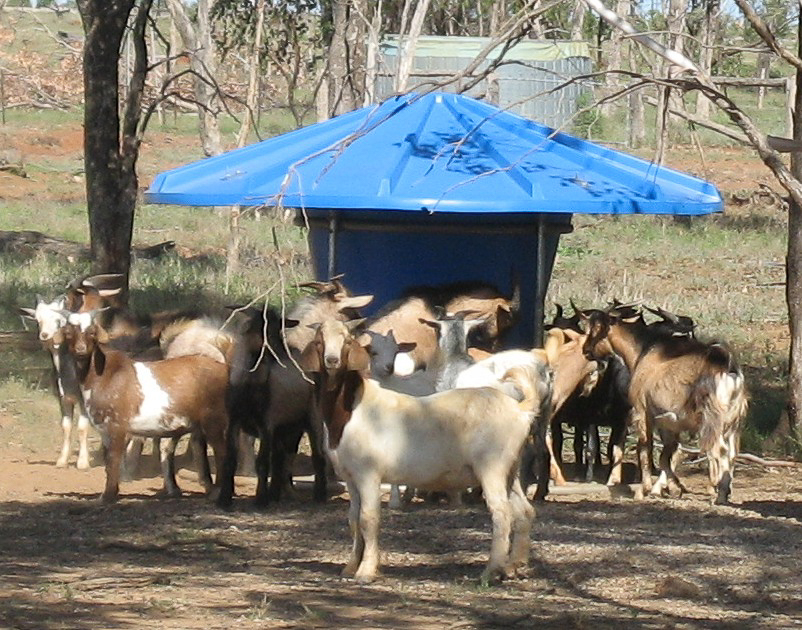
The Australian goatmeat industry in 2020 was worth over $145M, and 95% of that goatmeat was exported. Australia remains the biggest player in the global goatmeat trade regardless of the fact it accounts for less than one per cent of global production, sitting well behind the goatmeat producing superpowers of China, India and Pakistan. The main breeds of goats used for meat production in Australia are the Rangeland, Boer, and Kalahari Red.
Raising meat goats requires a sharp pencil in feeding costs, since that nearly always accounts for the largest share of expenses. Balancing feed quality to maximise weight gain is vital to increase your nutrition investment and bring home more profit.
Top Country has a specific range of supplements is designed for goats to suit your pasture, animal category and land types. Focusing on supplying diets including adequate grass, protein, minerals and energy levels that push efficient gain is a good idea to keep in mind.
We have three tips to boost and support the efficiency of your goat’s growth:
1. Make sure adequate dietary protein, minerals and energy
Meat goat diets must contain both protein, minerals and energy to be productive. Energy from carbohydrates drives growth rates and weight performance.
While protein supports feed intake and digestion, insufficient dietary protein levels can affect growth rate, as protein is needed for rumen bacterial growth and function for goats. Protein deficiency is associated with weight loss, poor growth and depressed reproductive performance.
While mineral may be a small portion of a goat diet, it aids in many vital functions and impacts everything from reproduction to feed efficiency and overall flock health. Provide a quality goat mineral that supports performance. Many types of grass and soils lack the essential minerals needed for sound reproductive health. And, if goats don’t receive a mineral supplement to fill the gap, you may see an impact on reproductive performance. This could cause your cost per kid to rise steadily, which no farmer wants to see. Phosphorus (P) deficiency occurs in goats grazing in regions with low-P soil; Australian soils are known for a low Phosphorus level. This deficiency may severely reduce goats productivity in terms of growth, reproductive efficiency and mortality. Phosphorus is required in the energy process in the body uses Phosphorus in the ATP cycle. Recent MLA trials revealed that Phosphorus has a relationship with the amount of fodder your goats will graze and utilise. This equated to increased weight gain while cattle with not enough Phosphorus in their diet consumed less feed and put on less weight.
Feeding a Top Country supplement high in both protein and minerals can help improve appetite, rate of gain and efficient cost of gain.
2. Maintain forage quantity and quality
Goats need plenty of high-quality forage for efficient growth – between 1.5% and 2% of a goat’s body weight.
When goats don’t receive enough forage, they aren’t as efficient at converting supplemental protein or energy into the meat because the rumen isn’t getting enough source of energy to have a healthy bugs population in the rumen.
Top Country has a dry season range that is a specific range of supplements is designed for goats grazing on dry pastures where protein and energy are the most limiting factors. It is ideal for weaned lambs/kids as well as growing and lactating ewes/nannies. They have a high protein level that will be increasing their daily intakes and energy levels.
3. Aim for consistent, achievable weight gains
Whether raising meat goats for market or as replacement females, steady growth is the goal. Top Country has a range of products that can suit every situation with essential nutrients to support development and health, stage of growth and season.
If you would like to chat with one of our qualified nutritionists about a goat program supplementation, please feel free to contact us.
— Tamara Freitas, Nutritionist
References
- DAF. (2020). Feral goat: Capra hircus. Department of Agriculture and Fisheries. https://www.daf.qld.gov.au/__data/assets/pdf_file/0012/55200/feral-goat.pdf
- GCIA. (2021). Meat Goats. Goat Industry Council of Australia. https://www.goatindustrycouncil.com.au/goats-in-australia/meat-goats/.
- Luginbuhl, JL. (2020). Nutritional Feeding Management of Meat Goats. NC State Extension Publications.https://content.ces.ncsu.edu/nutritional-feeding-management-of-meat-goats.
- MLA. (2019). Industry overview – trends, prices, opportunities. Meat and Livestock Australia. https://www.mla.com.au/extension-training-and-tools/going-into-goats/Industry-overview_trends-prices-opportunities/.