
Animal nutrition
Prussic Acid and Sulphur Supplementation
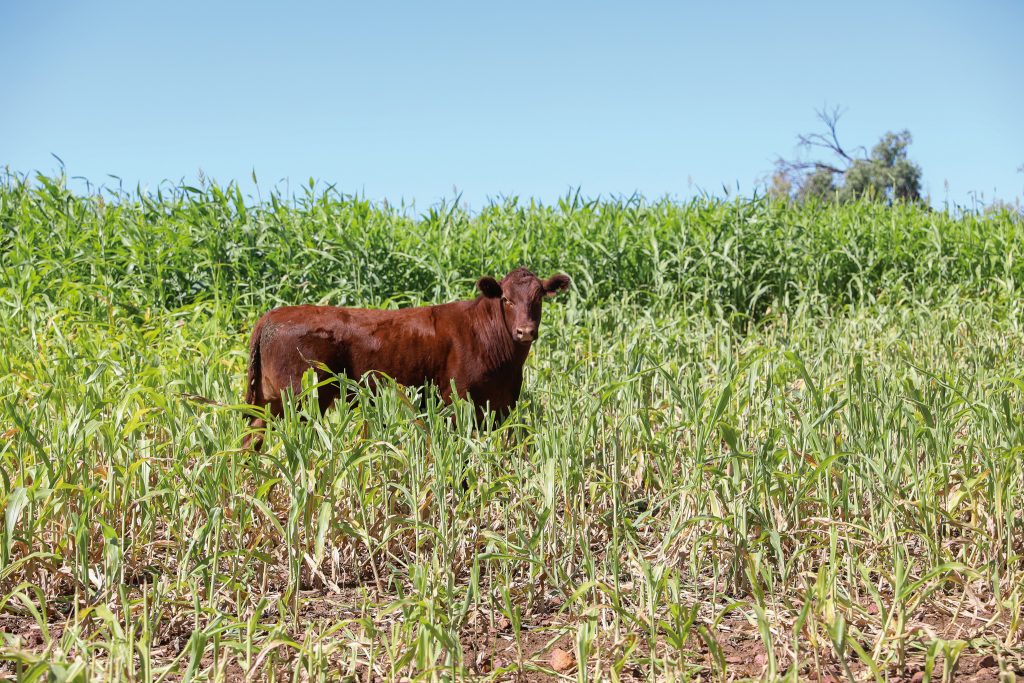
As summer creeps closer and forage sorghum, silk sorghum or Sudan grasses are planted and growing, there is one major risk to animal health and production when using these plants for grazing. Prussic acid, also known as Hydrocyanic acid, is a potent, rapidly acting poison absorbed and transported through the bloodstream. It acts as an…
Read MorePhosphorus Supplementation in the Wet Season
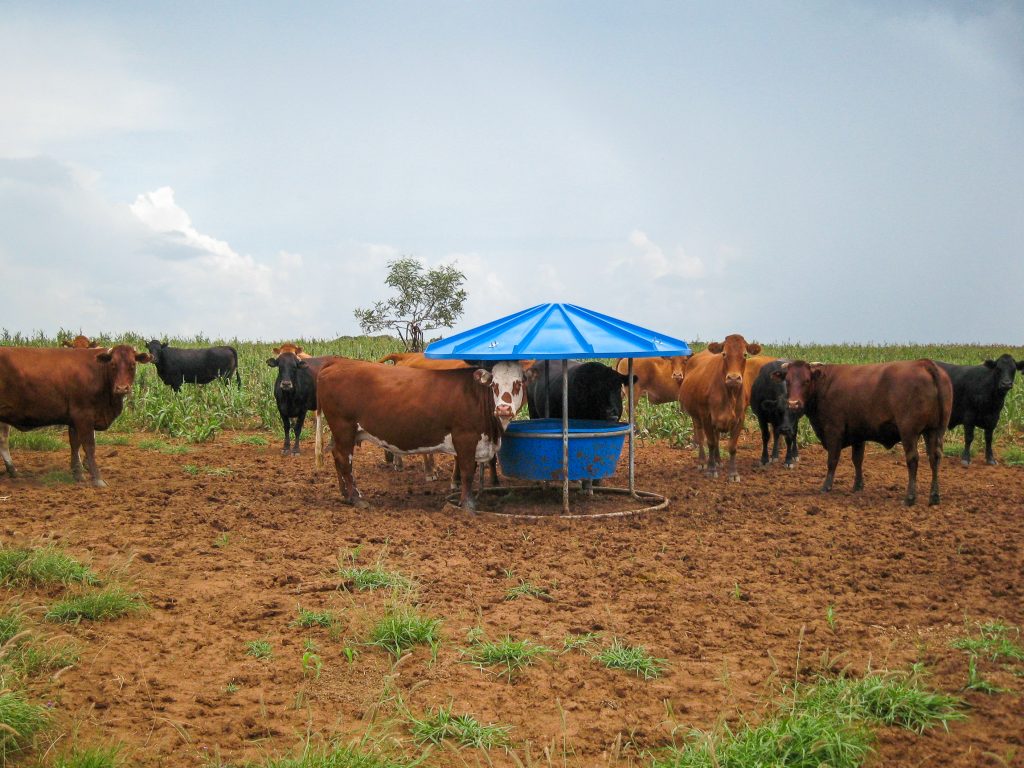
In recent weeks we have seen a few good showers of rain around, and combined with warmer weather some green pick has been able to develop and hint at what are hopefully the first signs of the wet season creeping in. While some have not yet been as fortunate, booming cattle prices have made it…
Read MoreManaging Bloat in Spring
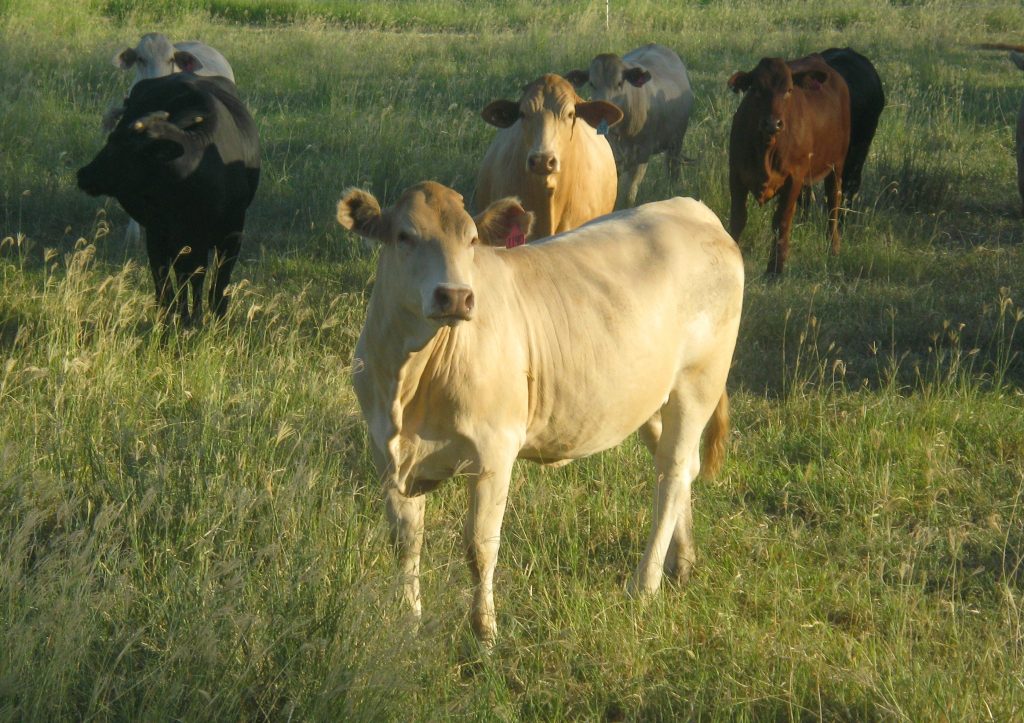
As we enter Spring after such a favourable end to Winter, we are seeing a lot of clovers and medics coming through. With these lush, immature legumes coming through, bloat can present itself as a major problem to productivity, especially when cattle are not used to these pastures. Pasture bloat, or frothy bloat, is associated…
Read MoreSpike feeding: A solution to achieving improved reproductive performance
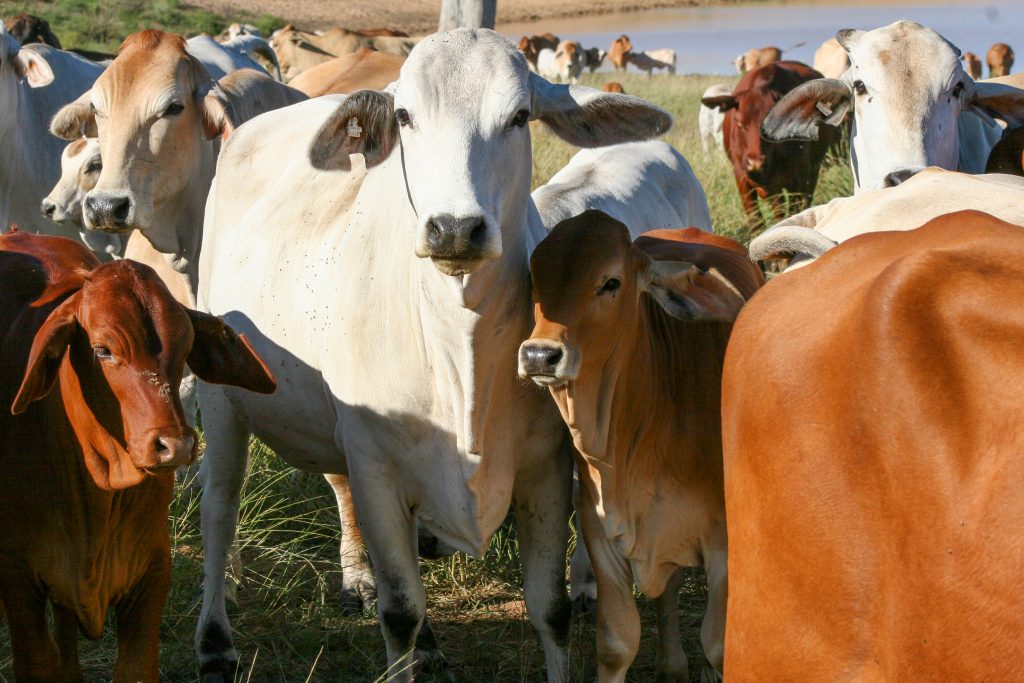
Why spike feed? As a general rule, controlled joining occurs over the summer months so that the cows and ewes drop their offspring at the end of the dry season the following year. This is done so that the offspring’s highest milk requirement in its second or third month is matched to peak pasture quality.…
Read MoreSupplementing on Mulga
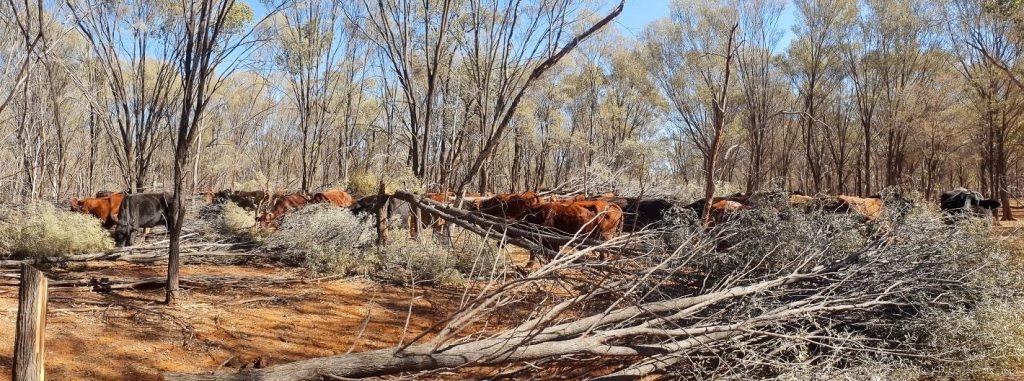
Edible scrub is a precious resource that can be used as an alternative feed source for livestock. Many native trees and shrubs can provide enough energy to maintain most classes of stock when supplemented with a suitable protein source. Mulga (acacia aneura) is widely distributed throughout inland Australia, where it offers valuable fodder for both…
Read MoreMineral Supplementation on Winter Cereal Crops
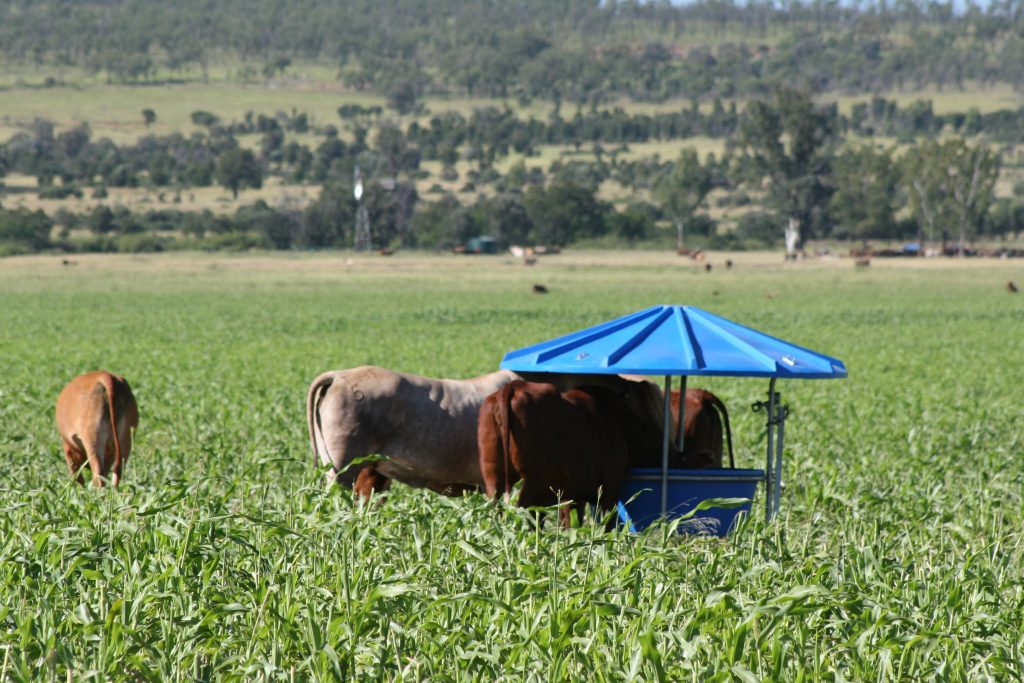
Grazing winter cereal crops, such as oats, is a popular option for graziers at this time of year. The crops are a highly palatable feed source, providing livestock with good quality feed to fill a feed gap often experienced at this time of year with tropical pasture species. Winter cereal crops can have an ME…
Read MorePrinciples of Pasture Growth
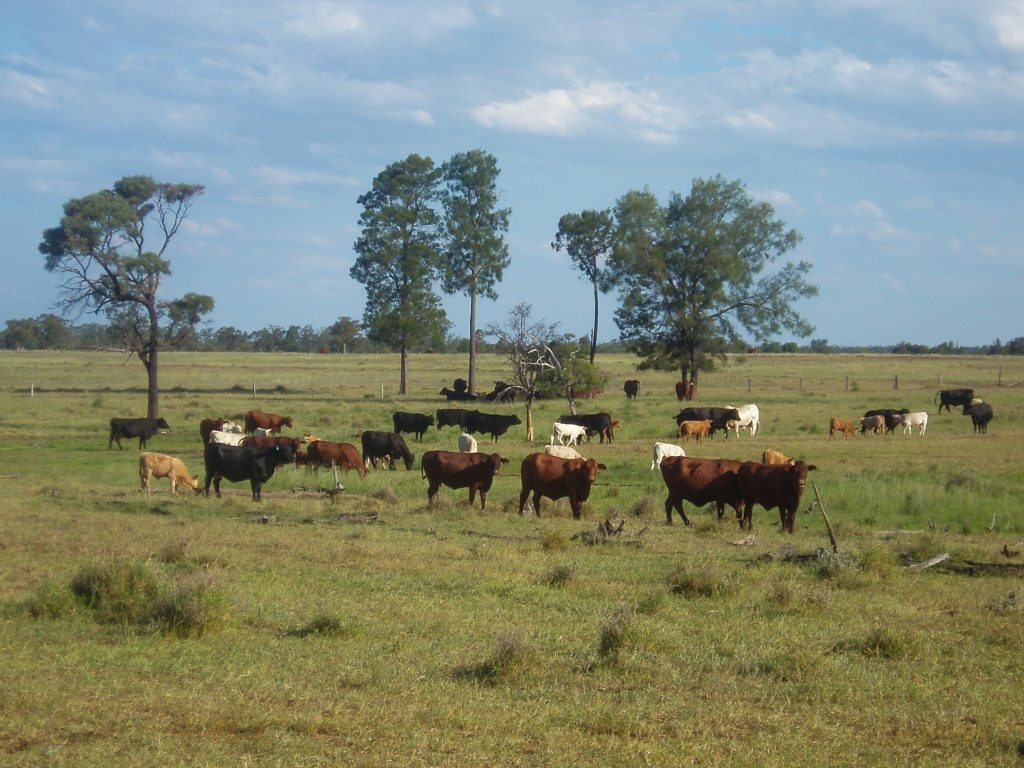
Pasture is the cheapest source of feed for any grazier. Grazing beef and sheep production can be simplified into a set of steps in a production chain. In very simple terms, grazing land grows forage, forage is eaten by stock and converted to beef or lamb. Three gateways regulate the efficiency of this system: land…
Read MorePregnancy Toxaemia in Ewes
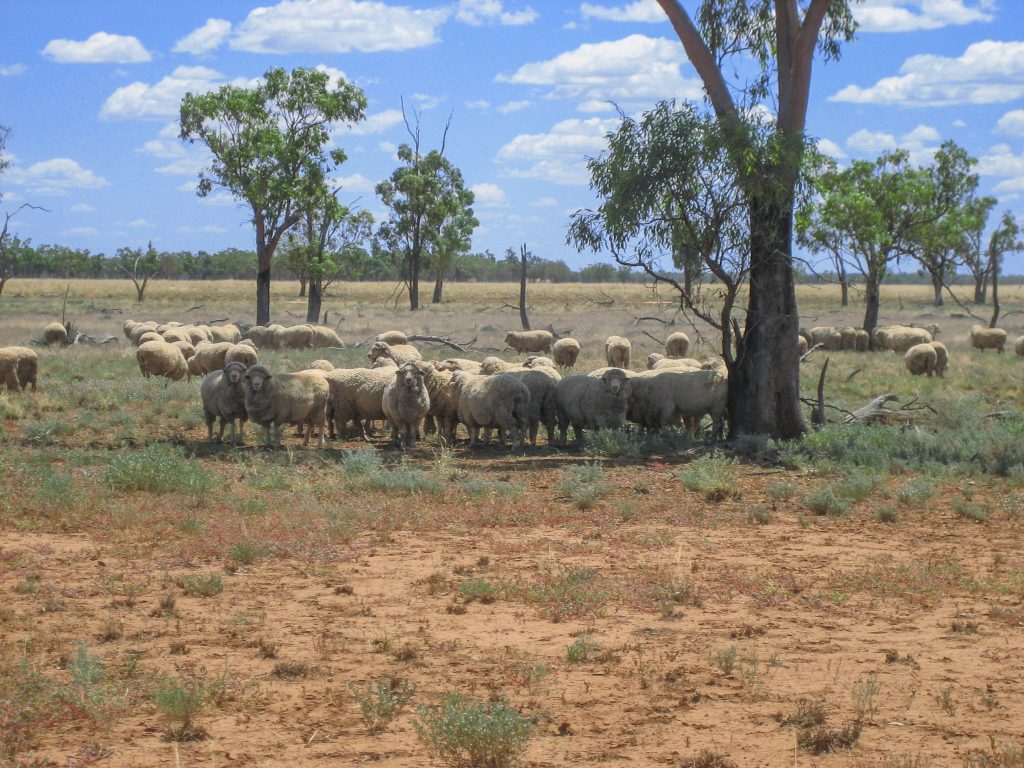
Pregnancy toxaemia is a metabolic disorder resulting in the incapacity for the animal to maintain an adequate energy balance. It occurs when drastically low levels of glucose in the blood damage the brain and result in dehydration, kidney failure and potentially death. Inadequate nutrition is the primary cause of pregnancy toxaemia during late gestation because…
Read MoreSupplement Limiters
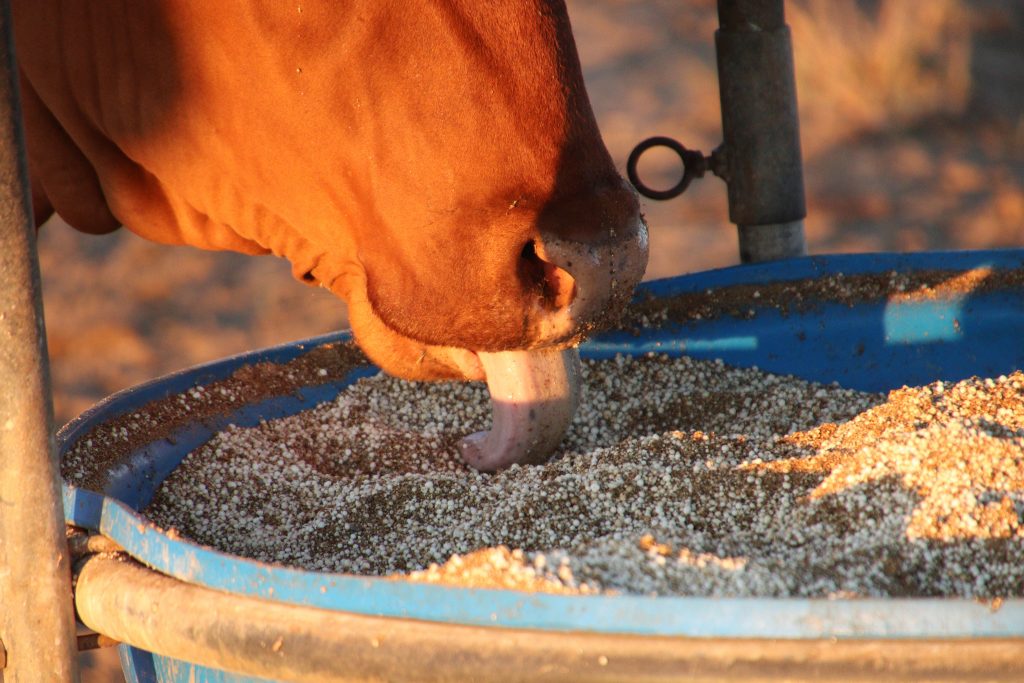
Salt has traditionally been used as an intake limiter in stock feed supplements, however scientific advances in nutritional knowledge are slowly changing this practise. A number of different products are now being utilised as intake controllers that also offer the advantage of secondary nutritional benefits. Salt has many great uses and can be an important…
Read MoreGreetings from Mundubbera
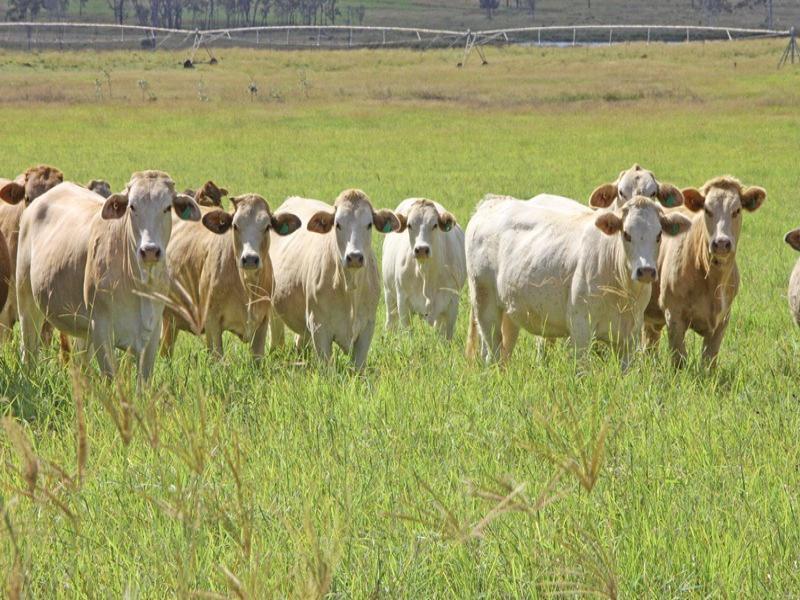
With the green feed we have, our “Green Pasture Licks” are still our most popular choice by far. Especially for those who have heifers & cows ready for joining, although by now most would be thinking about taking the bulls out of the paddock with the hope that most, if not all, cows and breeding…
Read More