
Phosphorus Supplementation in the Wet Season
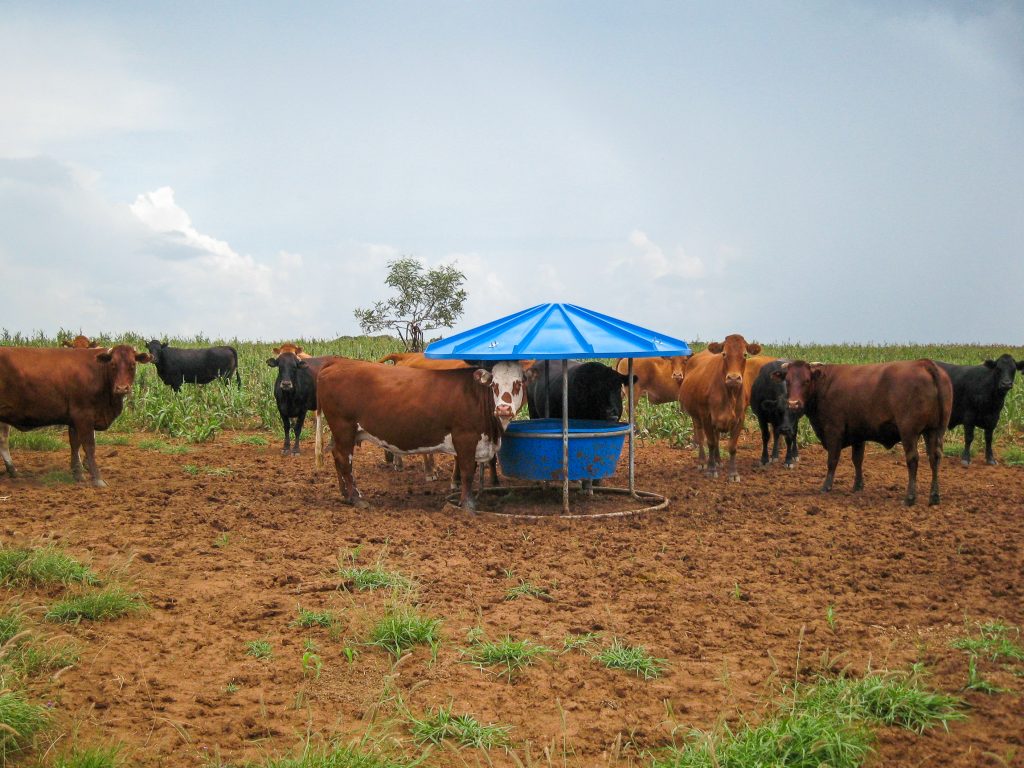
In recent weeks we have seen a few good showers of rain around, and combined with warmer weather some green pick has been able to develop and hint at what are hopefully the first signs of the wet season creeping in. While some have not yet been as fortunate, booming cattle prices have made it more relevant than ever for cattle producers to be reaching target production rates.
Now is the time of year that producers finalise their key decisions for their summer supplementation plan. Lush green pastures are typically high in energy and protein, resulting in high weight gains and production over the wet season. Coming off the end of an average dry season, these gains are especially obvious, and as a result, producers often do not see the benefit in supplementing over summer when cattle are already achieving greatly increased weight gains. Unfortunately, this results in cattle not reaching their full growth potential over summer, therefore profits have also not been maximised.
Studies have shown that only a small proportion of cattle grazing phosphorus deficient pastures are supplemented or otherwise managed to alleviate phosphorus deficiency. Feed intake is affected by phosphorus content of the diet, which in turn can have major consequences for liveweight gain and skeletal growth. Phosphorus is required for skeletal growth (bones and teeth), metabolising fat, carbohydrates and protein, lactation and rumen microbe function in ruminants.
Whilst phosphorus is important in all bodily processes, the major impact of phosphorus deficiency in cattle is a significant reduction in appetite. This results in lower pasture intake and consequently lower energy and protein intake. The reduction in nutrient intake affects the breeder’s ability to maintain body condition and milk production, resulting in lower weaning rates and increased mortality. In growing cattle, the lower nutrient intake produces lower growth rates. Other clinical signs of phosphorus deficiency are bone breakages, bone chewing, increased risk of botulism and bone deformities. All these impacts have serious consequences for production and profitability. Improving growth rates in young cattle means heifers reach joining weights within the desired time period, and steers reach a target sale weight sooner. There have been several trials undertaken in Australia regarding the benefits of Phosphorus intake. Phosphorus supplementation of deficient cattle can increase consumption rates by 10-60%, increase weaning rates by 15-30%, increase in birth rates by 6%.
If you are wondering whether your livestock are optimising your pastures to their full advantage, please give us a call to organise a property visit.
– Kelsey Smith, Nutritionist