
Managing Bloat in Spring
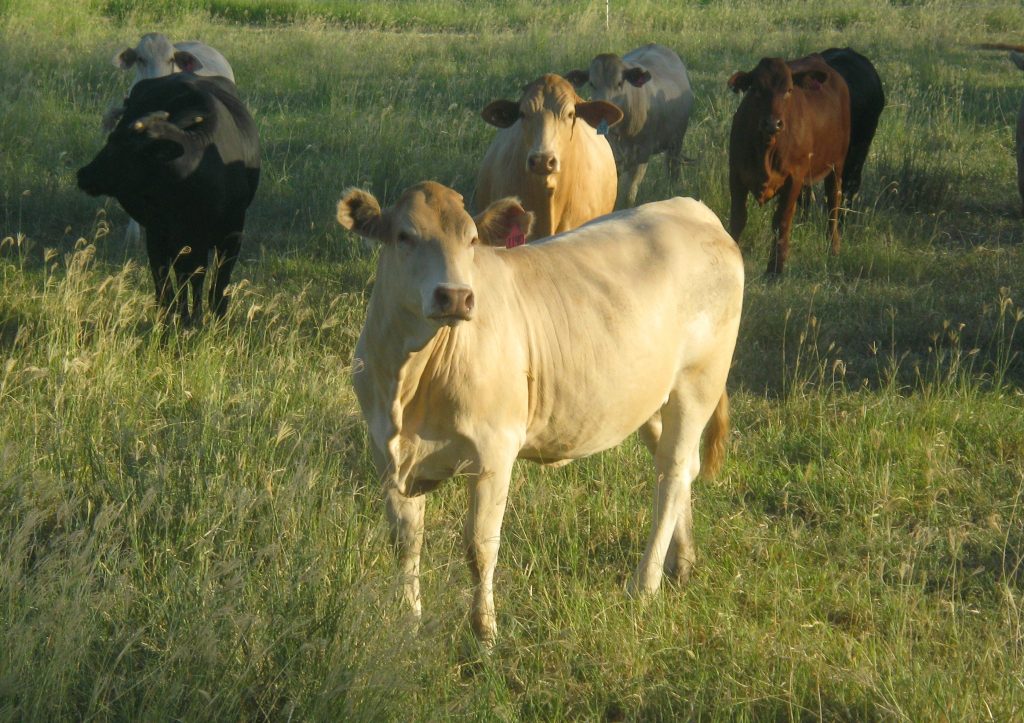
As we enter Spring after such a favourable end to Winter, we are seeing a lot of clovers and medics coming through. With these lush, immature legumes coming through, bloat can present itself as a major problem to productivity, especially when cattle are not used to these pastures.
Pasture bloat, or frothy bloat, is associated with smaller feed particles in the rumen that are readily digested, such as fresh, immature legumes. A slimy liquid forms in the rumen from bacterial secretions as the feed is digested. This slimy, viscous fluid traps small gas bubbles that are a product of digestion. As these small gas bubbles are trapped, the slimy fluid inhibits the removal of gas as the rumen-reticulo orifice and the oesophagus become blocked off. This means that the cattle cannot remove the gas build up by natural mechanisms and the gas continues to build up in the rumen leading to bloat. This condition will restrict pasture intake and significantly affect animal productivity. In extreme cases it may lead to death from asphyxiation as the ruminal gas build up puts pressure on internal organs and the animal respiratory system is restricted.
There are several additives that can be incorporated into a supplementation programme to combat the onslaught of bloat on legumes and high protein pastures. These include Rumensin and SarStart that work by reducing gas producing bacteria and protozoa in the rumen, helping to breakdown the frothy bubbles. With the negative impacts on productivity, it is important that you consider adequate and cost effective supplementation to combat bloat this coming season. To find out more about supplementing to prevent bloat, contact our nutritionists at Top Country on (07) 4622 8330 today.
— Elsie Dodd, Nutritionist (Archive)