
Bull Sale Season Preparation: Feeding and Management Guide

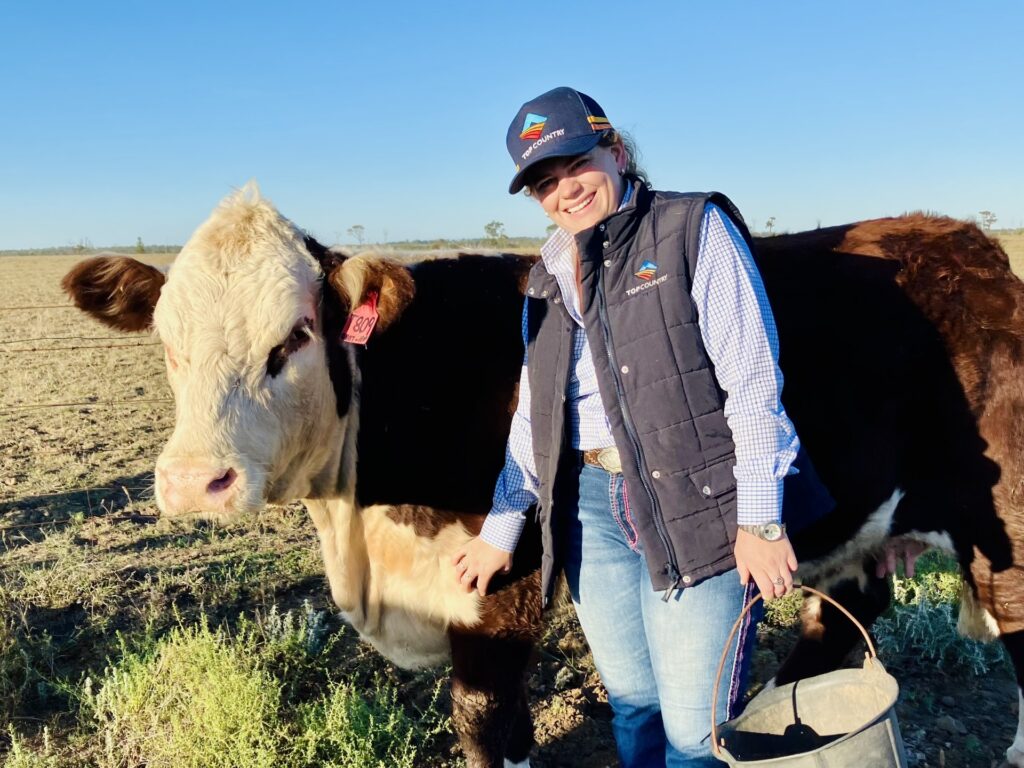
Author, Aleacea Nixon pictured with one of her favourite Herefords.
Bull Sale Season Preparation: Feeding and Management Guide
An article by Top Country Animal Nutritionist, Aleacea Nixon
With bull sale season quickly approaching, preparation is well underway. Whether preparing bulls for shows or sales, the feeding strategies are often similar—ranging from intensive grain-based feeding to more extensive pasture-based systems. The approach used often depends on the breed, the sale type, and the target market.
Understanding Bull Growth Potential
Most Bos indicus and Bos taurus bulls have an average mature weight of 800 kg or more. However, show bulls often range from 800 kg to 1200 kg at maturity and are typically between 20 and 36 months old. The weight a bull can safely reach depends heavily on its frame score and maturity pattern.
A smaller-framed, early-maturing bull may top out around 800 kg at mature weight and carry more fat, while a larger-framed, later-maturing bull of the same age may be 1000 kg and be considerably leaner if fed on the same feeds. This understanding of maturity patterns is invaluable when it comes to feeding bulls.
Overfeeding, particularly when bulls are young, can lead to structural problems such as swollen hocks, laminitis and long-term reproductive consequences. Excessive fat deposits around the testicles can increase the risk of overheating and compromise fertility. On the other hand, underfeeding can also limit potential. Bulls need access to high-protein, high-energy diets to support proper muscle development—especially in their early growth stages. Once born, cattle do not create new muscle fibres, only expand existing ones, so nutrition from gestation through to maturity must support this growth trajectory. Striking the balance between over- and underfeeding is essential for healthy, long-lasting performance.
Preparing Bulls for Shows
Show bulls are typically raised on high-quality grain mixes or well-managed pastures for most of their lives. The aim is to present them at their best, both in terms of performance and appearance.
To reach a show weight of 800 kg by 24 months of age, bulls must maintain an Average Daily Gain (ADG) of around 1.2 kg/day from birth. In most cases this can and will be higher and depending on the feed will influence whether the bulls have more fat or have been able to grow muscle. Bulls are exhibited from as young as 6 months old (as juniors), up to 36 months (as seniors). Some breeders choose not to show bulls around 14–20 months of age as they can look lanky and underdeveloped, especially in late-maturing types. These “gangly” bulls, though not always ideal for the ring early on, often develop into large-framed, heavier bulls if managed correctly and not pushed too hard while young.
Show Season Timing
In Queensland, the show season begins in late February and runs through to the Ekka in early August. Every three years, Beef Australia in Rockhampton is also a major event.
Many breeders time their calving to suit this schedule. Spring and early Summer calving is popular, with weaning occurring between April and early July. This timeline allows young bulls to transition onto grain or quality forage, supporting consistent growth through the lead-up to the show season. Afterward, bulls are often returned to pasture—sometimes supplemented with lick or production feed—until it’s time to prepare for the next round of shows or sales.
Key Considerations when feeding Show Bulls
- Consistency is key: avoid drastic feed changes – especially before and after travelling
- Hand feeding is often a preferred method over self-feeders as it helps to manage intake and assists with breaking in the bulls.
- Bulls will be bulls, so ensuring that if on self-feeders or hand feeding, they have enough space to comfortably eat to help reduce fighting.
- Timing is key when feeding bulls as 30 days could be the difference of nearly 40 extra kilograms or that extra mm of fat etc. You may be able to increase weight quickly but this is where issues arise long term so balance is key.
Every breeder has a preferred presentation style based on their target market and brand reputation—but consistency and health remain critical to success.
Sale Prep
Preparing Bulls for Sale
Sale preparation can differ depending on whether you're preparing for a multi-vendor sale, on-property sale, or paddock sale:
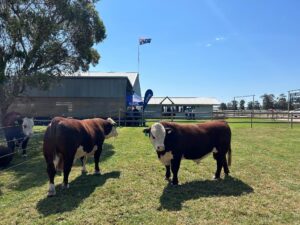
- Multi-vendor sales are competitive, similar to shows. Bulls are usually fed intensively to stand out. These events often attract breeders with smaller numbers or those using the platform to promote upcoming on-property sales.
- On-property sales are generally supported by a loyal client base built on paddock performance and reputation.
- Paddock selling is a very common way that bulls are sold, and generally, people don’t expect to pay as much for these bulls due to them being in paddock condition.
Feeding Strategies for Sale Bulls
If bulls aren’t grain-fed, they should be maintained on high-quality pastures, forage crops, or winter crops to achieve the average daily gain required for sale targets. The transition from calf to yearling is critical and nutrition during this time must support bone and muscle development with high protein and energy.
Feeding strategies might include:
- Utilising weaning rations and production rations early on. Most producers wean their calves in winter so keeping the protein up to these bulls is crucial for efficient growth using products such as the Top Country Production grain range.
- Supplementing forage and winter crops with a dry lick, like Top Crop to fill nutrient gaps and improve efficiency.
- Grain finishing closer to sale for extra bloom and condition. Grain feeding can also be done the entire way through to ensure consistency if pastures and crops can’t provide this.
Sale season
Spring is the primary sale season across many parts of Queensland, aligning with the start of the joining period for summer calving. Most bulls are sold when they are considered mature enough to be put to work immediately. While bulls can reach puberty between 7 and 14 months, full skeletal and muscular maturity comes later, around two years for Bos taurus and closer to three years for Bos indicus breeds.
Selling bulls before full maturity comes with risks. Without proper post-sale nutrition, young bulls can suffer from stunted growth or structural breakdown. This can negatively impact both the buyer’s herd and the seller’s reputation, even when the cause lies with post-sale management.
There’s a perception in some circles that grain-raised bulls are “ice cream cattle”—impressive in the yard but prone to “melting” under paddock pressure. However, when properly managed, grain-fed bulls can transition to pasture without issue. The key lies in preparing them to move, graze, and maintain condition across variable environments.
Buyers should understand that bulls often lose condition during joining, as they eat less while actively working. But if they've been well-prepared through balanced feeding, steady development, and proper conditioning, these fluctuations should be minimal and recovery will be quicker.
When considering the options for feeding bulls, the factors that need to be considered are the bull’s age, weight, and maturity pattern to ensure healthy, sustainable growth and our Top Country nutritionist's are here to help with any questions.