
Importance of Targeted Pig Nutrition

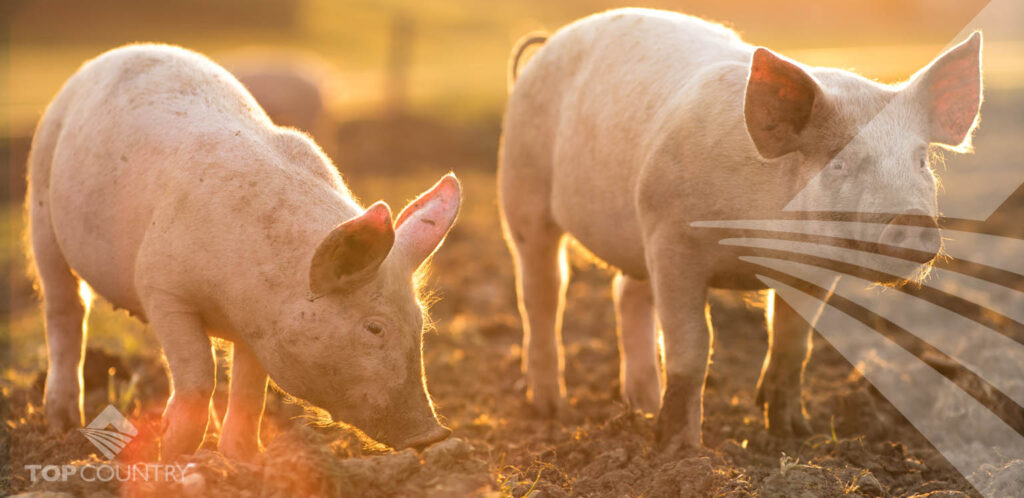
5 Key Stages of Pig Production
Pig nutrition plays a crucial role in their overall health and performance, whether in your backyard or part of a commercial operation. Pig production can be broken down into 5 key physiological stages.
- Weaner
- Grower
- Finisher
- Dry Sow and Boar
- Lactating Sow
Importance of Targeted Pig Nutrition
Providing adequate and targeted nutrition during each stage helps to maximise performance, improve health, and can aid in reducing common behavioural issues such as tail biting.
Australia’s pork industry is heavily consumer-driven, with high demand placed on providing a lean protein alternative to beef, lamb and chicken. Due to this, nutrition in pigs is centralised around prioritising muscle growth over fat deposition. To achieve a high-quality product, pigs require a balanced diet containing amino acids, protein, energy, fat, vitamins, and minerals.
Diet Requirements and Regulations
As pigs are omnivores, they are able to eat a combination of both plant and animal-based products. However, due to a high risk of infectious disease outbreaks, it is illegal in Australia to supply and feed prohibited feed, otherwise known as ‘Swill Feed’, pigs. Swill feeding refers to feeding any food scraps or waste that have been in contact with meat to pigs, such as salads and vegetables that contain or have been served with meat and premade products containing meat and imported dairy. It is important to only feed correctly rendered animal products, such as fish meal from reputable suppliers.
Protein and Energy Requirements
Protein is an essential part of the diet, as it is required for tissue growth and repair. High-quality protein sources, such as soybean meal or fish meal are preferred, due to their amino acid profile. Amino acids such a Lysine and Methionine are integral to pork production. Energy is another major part of a pigs diet, with it commonly being a limiting factor in younger animals, where they physically cannot eat enough feed to meet their energy requirements. Cereal grains such as corn, barley and wheat are ideal energy sources. As the pig moves through each physiological stage, their protein, amino acid and energy requirements alter.
Importance of Vitamins and Minerals
Vitamins and minerals are also essential for the health and performance of pigs. These include vitamins A, D, and E, as well as minerals such as calcium and phosphorus. These nutrients help to support the pig’s immune system and ensure that the pig’s bones and teeth remain strong. Where behavioural issues such as tail biting occurs, providing additional magnesium in the diet will aid in calming the pigs, thereby reducing the incidence of these aggressive behaviours.
Water Access and Hydration
In addition to a balanced diet, it is important to ensure pigs have continual access to clean, cool and fresh water at all times. Ensuring pigs are able to keep hydrated ensures optimal digestion, absorption and utilisation of nutrients by the pig. Environmental factors also play a huge role in the supporting production. Ensuring their pens are kept clean, are not overstocked and pigs are kept at comfortable temperatures will mitigate disease risk and commonly seen production losses.
Top Country’s grain feeding program for pigs combines a high inclusion of quality grains with essential amino acids, vitamins and minerals to maximise performance in your sty. The range of products available allow maximum weight gains to be achieved and improve fat cover and carcass qualities. Top Country’s grain based rations are widely used for improving milk production in the sow as well as supporting the increasing nutrient requirements of growing piglets until they reach market weight.
To learn more about Top Country’s pig nutrition products or to learn more contact us on (07) 4622 8330 or enquire here and speak to one of our sales nutritionists today.
Disclaimer: All animal stockfeed should be fed as part of a nutritious, balanced diet to match the livestock’s specific requirements. Ensure that animals always have plenty of fresh, clean water available for drinking. Top Country makes no representations or warranties of any kind, express or implied, as to the suitability of any of the products supplied to the specific requirements of your livestock. It is recommended that you consult your ruminant nutritionist before making any major dietary changes.