
Pimelea Poisoning – Prevention is the only option

Top Country is currently developing a few different rations for the Top Bentonite range that are designed directly for Pimelea poisoning prevention. These consist of different levels of sweetness/sourness, which is directly related to palatability. At present we have developed our mixes with varying amounts of bentonite which will lead to consumptions of bentonite varying between 100-150g.
About Pimelea
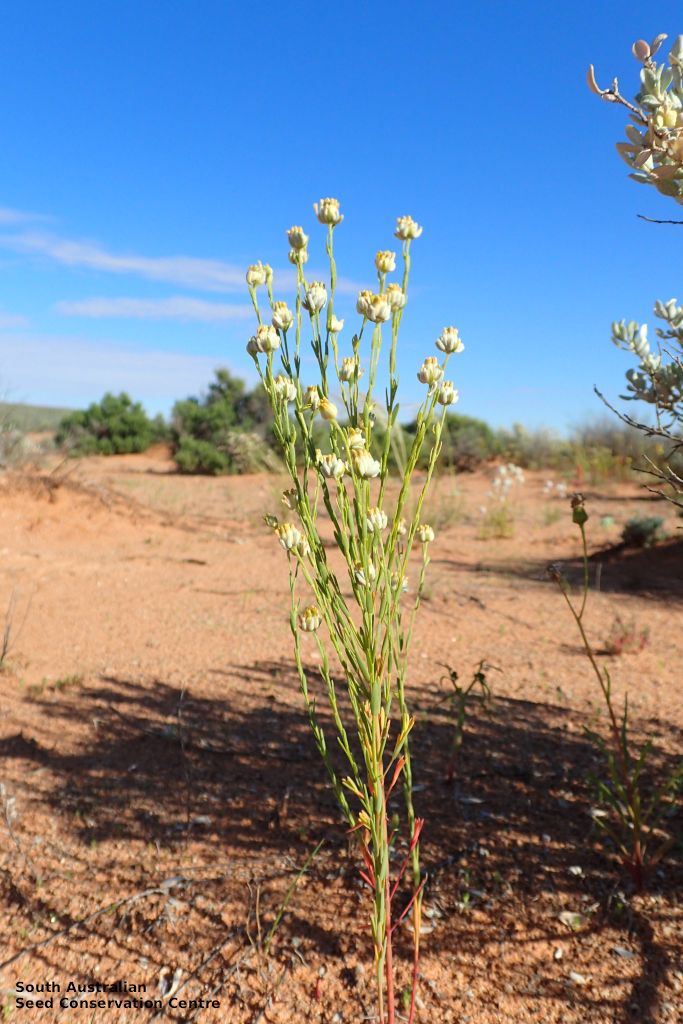
The Pimelea plants are regarded as annuals and tend to germinate in the winter-spring period when ambient temperature is cooler, since the high temperatures of summer inhibit germination. In addition, following unexpected rain events, near-dead Pimelea plants have been observed reshooting from the stem base. Prolonged rain events (as we are currently experiencing) and topsoil disturbance appear to be common instigators for successful germination of Pimelea.
There are three toxic species of Pimelea:
- Pimelea Simplex
- Pimelea trichostachya
- Pimelea elongata
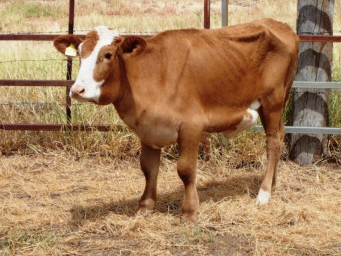
Cattle are the most susceptible livestock, with animals exhibiting distinctive physiological symptoms, with a large proportion of affected dying. Toxin levels are highest in seed and incidental consumption of intact seed fragments are considered to cause Pimelea poisoning. The toxin in Pimelea is ‘simplexin’, a hydrocarbon fat, absorbed via the small intestine into the lymphatics further hindering the function of the heart.
Initial Symptoms:
- Chronic diarrhoea
- Loss of condition
- Poor appetite
- Rough coat
- Depression
Acute Symptoms:
- Prominent jugular veins in the neck
- Oedema (soft swelling) of the head, brisket and abdomen
- Increased respiration rate
- Heartbeat may be heard from distance
- Decreased mobility
- Sudden death, common during exertion
Recent Studies
The toxic effects of Pimelea have potentially cost the livestock industry $50 million (AUD) annually due to production losses, additional cattle management, stock deaths and the control of plant growth. The research that has been conducted by the University of Queensland, suggests that sodium bentonite is sufficient at binding 95% of the toxin Simplexin from Pimelea plants. The research data concluded that the amount of bentonite needed to bind the 95% was 120g/head/day for an average size cow (400kg) with 100L of rumen fluid. The recommendation we advise is only be based on the current research and there may be some adjustment needed with responses to cattle in an individual, practical situation.
Aligning with the research from the University of Queensland, Meat and Livestock Australia performed a trial to determine the effects of sodium bentonite and biochar with binding the ‘simplexin’ toxin in livestock. The $1.5m funded project consisted of a trial feeding 80 grams/head/day, however producers in the Roma & Begonia regions fed 100g to 200g/head per day. The feedback from the trial suggested that cattle condition improved with the suggestion that feeding bentonite lick year-round may entice cattle to continue consuming the lick when green pasture growth appears.
The trial concluded that cattle preferred bentonite to biochar, and that sodium bentonite was more efficient at binding the ‘simplexin’ toxin.
Our recommendation is to gradually build up the content of bentonite when mixing the bentonite with a lick. By gradually increasing the bentonite we are then able to monitor the palatability of the lick and the consumption rates.
Please be advised that this is only a guide for how to feed the bentonite based on the research from the University of Queensland. It is vital that the cattle be monitored of any symptoms of Pimelea poisoning even with the bentonite addition to the lick. If there are emerging symptoms, it is advised to remove the cattle from the paddocks containing Pimelea IMMEDIATELY.
Recommended bentonite/head/day:
- From the research 12mg/mL of bentonite is needed to bind 95% of the simplexin toxin
- This suggests that 120g* of bentonite/head/day could bind 95% of the simplexin toxin
For more information about the Pimelea plant and the toxicity of the Simplexin toxin, please refer to the link below:
www.qaafi.uq.edu.au/combating-pimelea-toxicity
Other benefits of bentonite
Bentonite can protect proteins from ruminal degradation, which allows digestion more efficiently further down the digestive tract. Additionally, bentonite binds urea to provide a slow release in the rumen, which reduces the risk of ammonia toxicity and promotes a more efficient conversion to protein by the ruminal flora. Finally, bentonite also increases the saliva flow to the rumen. The bicarbonates and phosphates present in the saliva acts as a buffer in the digestive system.
Lick calculation examples:
Lick Calculations based on 200g/day intake of TOP BENTONITE 60% (Sweet)
= $0.13/hd/day
OR
We can also add bentonite to your normal lick, though consumptions will increase to 400g/hd/day to allow for the increase in bentonite needed to be consumed. E.g., Top Start XP05 + Bentonite + 3kg Monensin. This means that they will get all their normal protein, minerals and energy from their normal lick which is still at a consumption of 300g/hd/day + 100g of bentonite/hd/day.
Lick Calculations based on 400g/day intake of TOP START XP05 + 3kg Monensin + Bentonite
= $0.52/hd/day
OR
Pricing you can have your normal lick @ 300g/hd/day consumption rate and have the Top Bentonite in a tub next to it which they will consume 150-200g of and get between 100-160g/hd/day.
Lick Calculations based on 300g/day intake of TOP START XP05 + 3kg Monensin
= $0.39/hd/day
- $0.39 + $0.13 = $0.52
We can custom design a lick that has a bentonite inclusion and that will be more palatably to ensure that cattle will be achieving the correct consumption to bind the simplex toxin. Please call us for more information.
Kelsey Smith, Livestock Nutritionist.
References
South Australian Seed Conservation Centre. (2018). Pimelea simplex ssp. simplex (Thymelaeaceae). https://spapps.environment.sa.gov.au/SeedsOfSA/speciesinformation.html?rid=3360
Gordon et al. (2020) A review on Pimelea poisoning of livestock. https://www.sciencedirect.com/science/article/abs/pii/S0041010120303275