
Pimelea Poisoning

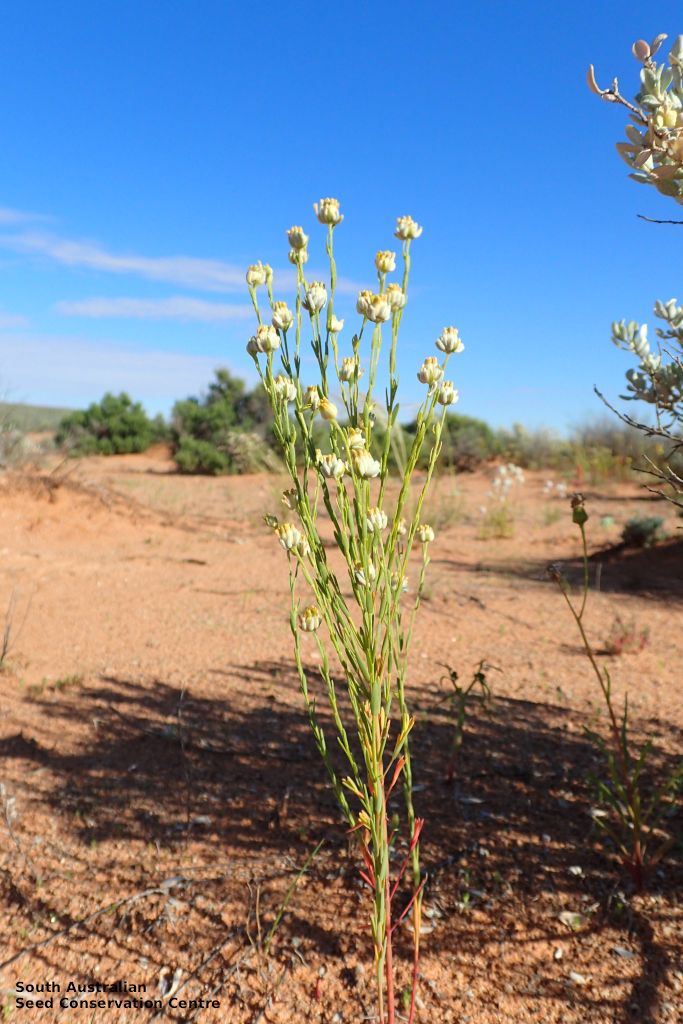
This year’s winter has been one for the record books; the abundance of winter rain has brought about great clover and legume growth and there are some bumper oats crops getting around. However, as great this winter rain has been, it brings about the increased risk of Pimelea growth and subsequent poisoning.
Of the 110 endemic species of Pimelea in Australia, a small number are associated with a unique poisoning syndrome in cattle: Pimelea poisoning. Prevention is better than cure as there is currently no cure for Pimelea poisoning.
“The dose that makes the poison”, famously paraphrased from Paracelsus, is particularly appropriate for Pimelea poisoning, the single major factor influencing poisoning and animal health is how much toxin is consumed and absorbed by the animal. Cattle can be affected by Pimelea by ingesting green or dried plant material. Pimelea, while alive and green, is generally unpalatable and tends to be avoided by cattle, however dead and dried Pimelea stalks have been associated with cattle poisonings, particularly when paddocks are over-grazed.
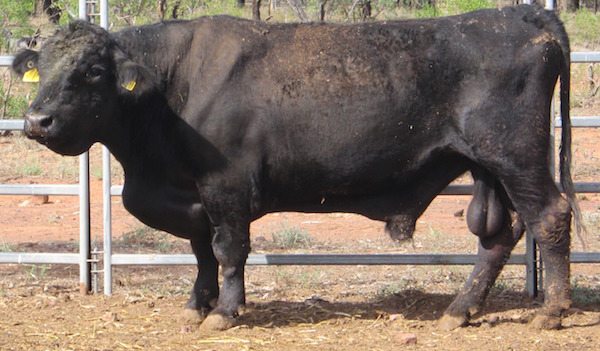
Pimelea poisoning usually presents itself in the following ways:
- Decreased mobility
- Build-up of fluid causing tissue to swell
- Loss of condition
- Loss of appetite, change in appetite
- Rough coat
- Increased respiration rate (fast breathing)
- Diarrhoea due to irritation of the digestive tract
- Increased blood fluid without subsequent increase in red blood cells causing anaemia
- Death
The research that came out of the University of Queensland in April 2020, suggests that sodium bentonite is sufficient at binding 95% of the toxin simplexin from Pimelea plants. The amount of bentonite needed to bind the 95% was 12mg/mL of rumen fluid. There are issues with advising how much bentonite to feed due to the experimental nature of the current information. The only information about the ability bentonite has in binding to the simplex toxin is the information derived from the experiments conducted in the laboratories at the University of Queensland. These experiments where performed in artificial rumens which cannot accurately describe the rumen dynamic in a live animal. There are no current field experiments that can give information about the relative consumption rate in paddock or in a live working rumen. The recommendation we give can only be based on the current research and there may be some adjustment needed with responses to cattle in a practical situation i.e. trialing what works for your property.
With Top Country’s ability to custom create drylick products for all country types, animal types, and productivity goals, we can add bentonite into a drylick. By adding bentonite to a drylick we can aid in reducing the risk of cattle from being affected by Pimelea poisoning. By talking to a Top Country nutritionist, a lick with the included bentonite can be formulated with the added benefits of protein meal, minerals and vitamins.
— Pip McKee, Nutritionist
References
- Fletcher, M., Silcock, R., Ossedryver, S., Milson, J., & Chow, S. (2009)Understanding Pimelea poisoning in cattle. https://www.daf.qld.gov.au/__data/assets/pdf_file/0004/74272/Understanding-pimelea-poisoning-of-cattle.pdf
- Gordon, R. J., Hungerford, N. L., Laycock, B., & Fletcher, M. T. (2020). A review on Pimelea poisoning of livestock. Toxicon, 186, 46-57.
- Nason, J. (2017). Cattle producers digging deep in fight against Pimelea. https://www.beefcentral.com/production/grazing-land-management/producers-digging-deep-in-fight-against-pimelea/
- South Australian Seed Conservation Centre. (2018). Pimelea simplex ssp. simplex (Thymelaeaceae). https://spapps.environment.sa.gov.au/SeedsOfSA/speciesinformation.html?rid=3360
- The University of Queensland. (2020). Combating pimelea toxicity. https://qaafi.uq.edu.au/combating-pimelea-toxicity.