
Grass Tetany: Prevention is better than cure
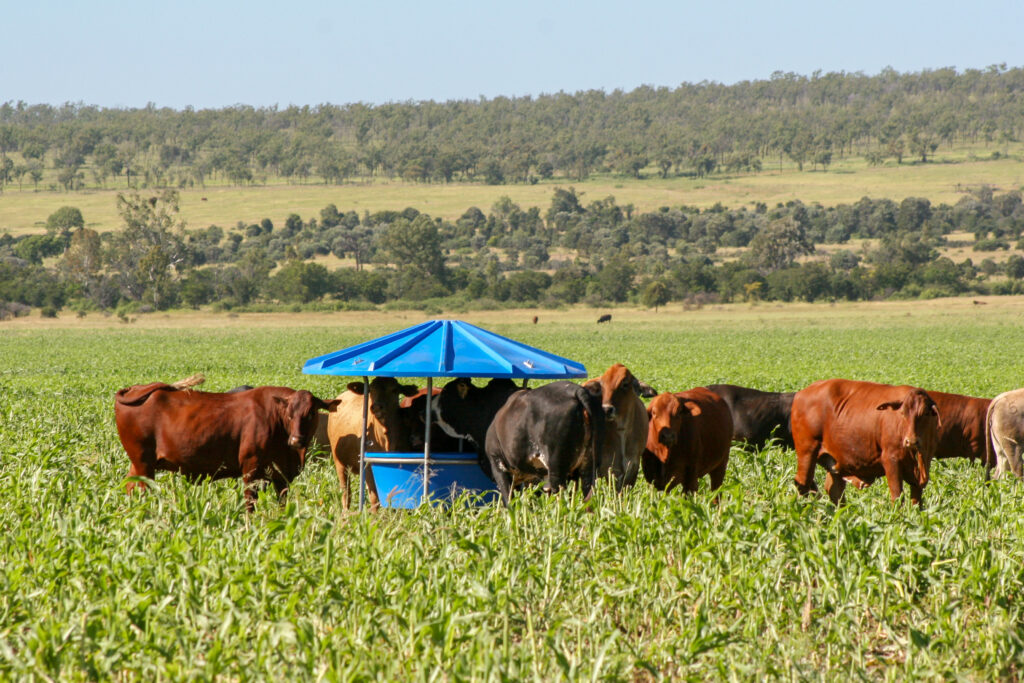
If there was ever a livestock disease that prevention is better than cure, it’s got to be grass tetany. Hypomagnesaemia, otherwise known as grass tetany, is probably one of the least understood metabolic disorders. Hypomagnesaemia is caused by a deficiency of Mg in the blood. It is an imbalance between Magnesium inputs, dictated by dietary Mg intake, bioavailability and absorption, and outputs, mostly due to the large losses resulting from Mg secretion into milk. Grass tetany occurs in ruminants grazing lush pastures and crops during late Autumn, Winter, and Spring when lactating cows are grazing pasture under certain conditions and caused by low blood magnesium due to low Magnesium(Mg) levels in short, rapidly growing pasture & lush winter cereals crops. Good cattle management is essential to combat grass tetany, but sometimes this is not enough to stop cows from dying.
Grass tetany is sometimes confused with other metabolic disorders in cattle. Because of its symptoms, Hypomagnesaemia can be misdiagnosed as ketosis or milk fever; however, animals deficient in Calcium(Ca) will generally be seen as slow, while Mg deficient animals will show excitability. The diagnosis of clinical tetany is generally made on a combination of history, clinical signs and response to treatment. A preventive measure is feeding magnesium supplements to cows during the danger period, commonly when the weather is cool and rainy.
Magnesium is an essential mineral for ruminant livestock, and it is the second most prevalent intracellular mineral present in the ruminant’s body. Magnesium is needed for several reasons, mainly bone formation. Magnesium fulfils many physiological functions like activation of enzymes and has an important role in modulating nerve impulses and neuromuscular transmission. Magnesium requirements vary depending on age, physiological state, and bioavailability from the diet. Cattle do not store Magnesium to a great extent, so it needs to be provided in the diet daily, either from feeds or supplemental sources.
The exact cause of grass tetany in ruminant animals is a dietary deficiency of Magnesium that may include these factors below that can increase the occurrence of grass tetany:
- Low Mg intake. – A reduction in feed intake when cows are grazing short, dominant grass pastures and where pastures contain less than1.5 gm Mg/kg DM.
- High K (Potassium) and low Na (Sodium) intakes. – High K reduces the availability of Mg, and dietary Na less than 2 mg/kg DM reduces the absorption of Mg. This effect may be mediated via the impairment of Na-dependent transfer of Mg across the ruminal mucosa. Be wary of the potential role of potash fertiliser in the aetiology of grass tetany.
- High N (Nitrogen)- high levels of N will result in high levels of Ammonia- Mg absorption decreases when the ruminal NH4+ concentrations increase suddenly and acutely.
- The cow’s ability to maintain Ca (Calcium) homeostasis. – Cows with Hypomagnesaemia do not develop grass tetany until blood calcium levels decrease.
- P (Phosphorus) intake. Only a small amount of Mg is stored in the body, and its absorption is partially dependent on the concentration of phosphorus (P) absorbed through the rumen. When cows graze pastures low in P, Mg absorption through the rumen is limited.
- High moisture and low fibre content- result in fast gut transit and reduce the opportunity for magnesium absorption
- Soil propriety can contribute. The area has been fertilised with some manure or potash, which will increase the K & N(Nitrogen) in the plant
- Anything that reduces feed intake (stress, feed shortage, advanced pregnancy, mustering, yarding & transport)
- Exposure to bad weather, which can reduce feed intake temporarily. – In cows and ewes of marginal Mg status, this can be sufficient to precipitate grass tetany.
- Short pasture – less than 1,000kg DM/ha, at the one to two-leaf stage. They are more likely to have elevated potassium to magnesium ratios with higher grass tetany risk at this growth stage.
- Lactation- due to milk Mg and Ca losses. Each kilogram of milk contains approximately 0.13 gm Mg any excess absorbed is excreted in the urine. The daily magnesium requirement for a cow in early lactation has been estimated to be between 8 and 28 grams per day.
- Very thin and overly fat animals are also more susceptible – Grass tetany can affect all classes of cattle, but older cows with calves at foot during winter and spring are most at risk.
- Can also occur in young calves fed for several months on whole milk or milk replacer diets, which provide inadequate Mg levels for their requirements for maintenance and growth.
- A curiosity is that, in addition to age, researchers have determined that Angus and Angus’s crosses are more susceptible than other Breeds because they are naturally poor absorbers of Mg.
Grass tetany is difficult to treat, but it is easy to prevent with magnesium supplementation. Saving one cow will pay for the cost of supplementation for at least a year for the whole herd. The diagnosis of grass tetany is complicated because the cow frequently dies prior to any determination can be made.
The earliest signs are:
- Affected cows become separated from the group
- Twitching of the facial muscles, shoulder, and flank nerves.
- Show an exaggerated blink reflex, teeth grinding,
- May show aggression
- Galloping
- Bellowing
- Stiff leg
- Body temperature begins to rise
- Heartbeats louder and faster
- Collapsing
Death generally occurs within one hour of the onset of symptoms. Grass tetany is considered a true veterinary emergency requiring rapid treatment with Magnesium to prevent death. The grass tetany treatment involves removing the animal from the pasture and increasing the Magnesium level in the blood. Rapid treatment to restore blood magnesium is essential. A treatment method that vets have suggested is an intravenous injection of calcium-magnesium gluconate. A trained person must slowly give intravenous injections of these solutions to prevent cardiac arrest. Heart and respiratory rates should be monitored closely during the treatment. Cows with grass tetany are more likely to get it again later in the season or future years.
The prevention can be done in several ways. Prevention is based on providing a high concentration of soluble Magnesium, like Top Magnesium, in the rumen when conditions for grass tetany exist. As long as the active transport pump for Magnesium is working well and driving Magnesium across the rumen wall to the blood, problems should not develop. Because of its rapid onset and its ability to cause death, it is best to try and prevent grass tetany rather than treat it.
For these reasons, I recommend that grazing cows during late Autumn, Winter & Spring are supplemented daily with around 27 g of Magnesium per cow during early lactation. Feeding your livestock magnesium supplements, like Top Magnesium, can help address magnesium deficiencies associated with lush spring grass. Recommended intake is 300g per head of cattle per day, and 30-50g per sheep/goat per day.
Top Country offers a range of concentrated mineral supplements to balance the deficiencies of stock grazing lush pastures & cereal crops. Top Magnesium is a high Mg protein meal based loose supplement that is designed to be fed in the paddock & on crops such as oats, wheat, and temperate grasses. We can custom made this product for you according to your animal’s needs and uptake. We choose to use a combination of highly palatable ingredients with a science back formula that will deliver the expected results of 27g of pure Magnesium in a very cost-effective way: $0.30 per head per day + freight. At Top Country, we chose the right ingredients for the right situation.
Top Country is a family-owned stock feed company. Our high-quality ingredients are sourced from reputable suppliers to supply superior quality and consistent products. We use science-backed formulas in our product development. Our nutritionists provide product recommendations based on your animal’s needs, ensuring your livestock receive the right nutrition to achieve your enterprise goals. Our products are created with the right ingredients for the right situation. This way, we can make sure a product will work correctly for your livestock’s unique needs. We based our recommendation on a variety of things like weight gain, profitability and fertility. Depending on the producer’s end goal, our team of nutritionists will base their recommendation. Our products are created with the right ingredients for the right situation. This way, we can make sure there is a product that will work correctly for your livestock’s unique needs.
Top Cattle Feeda is designed to be used in conjunction with a supplement program in all seasons. Top Feedas will help protect and maintain the palatability and integrity of the product. It will also be labour-saving, ensuring your cattle have access to supplements even where it is hard to get. Top Feeda has been protecting supplements for well over 20 years. We have two different covered cattle feeders, depending on what your needs require. Top Feeda & Top Tonna have contributed to achieving stability of consumption, which has allowed consistent and efficient production increases.
Top Country will custom make your supplements to meet the needs of your land, stock, season and favourite outcomes. If you would like to learn more about Top Country Top Magnesium supplements range, please get in touch with Top Country and speak to one of our qualified Livestock nutritionists today!
References
- https://www.mainstvetclinic.com.au/farm-animals/grass-tetany
- https://nre.tas.gov.au/biosecurity-tasmania/animal-biosecurity/animal-health/sheep/grass-tetany-grass-staggers
- http://www.flockandherd.net.au/cattle/reader/grass-tetany-review.html
- Sutherland KJ. A comparative study of diagnostic tests for the assessment of herd magnesium status in cattle. New Zealand Veterinary Journal. 1986, 34:133-135
- Elliott MG. Grass Tetany of Cattle in New South Wales
- https://www.fcav.unesp.br/Home/departamentos/clinicacv/AULUSCAVALIERICARCIOFI/magnesio-reduzido-aula-2015.pdf
- Hypomagnesemia Tetany in Cattle – Alsaftli Zelal* – Hama University, Agricultural Faculty, Animal Production Department, Hama, Syria
- Importance of appropriate amounts of Magnesium in rations for dairy cowsJosé H. Urdaz, DVM; José E. P. Santos, DVM, PhD; Phillip Jardon, DVM, MPVM; Michael W. Overton, DVM, MPVM
- Greene et al. (1989)Use of Animal Breeds and Breeding to Overcome the Incidence of Grass Tetany
- Hypomagnesemic Tetany or “Grass Tetany”- Michelle Arnold University of Kentucky – Jeff Lehmkuhler University of Kentucky, jeff.lehmkuhler@uky.edu
- Literature review on Hypomagnesaemia in cattle College of agriculture and Veterinary medicine school Of veterinary – Nuradin Kebede, VETERINARY M E D I C I N E JUCAVM
Written by: Tamara Freitas